Tubi Has Aladdin 3477 and Why That Matters to Cyberpunk Fans and Small Studios
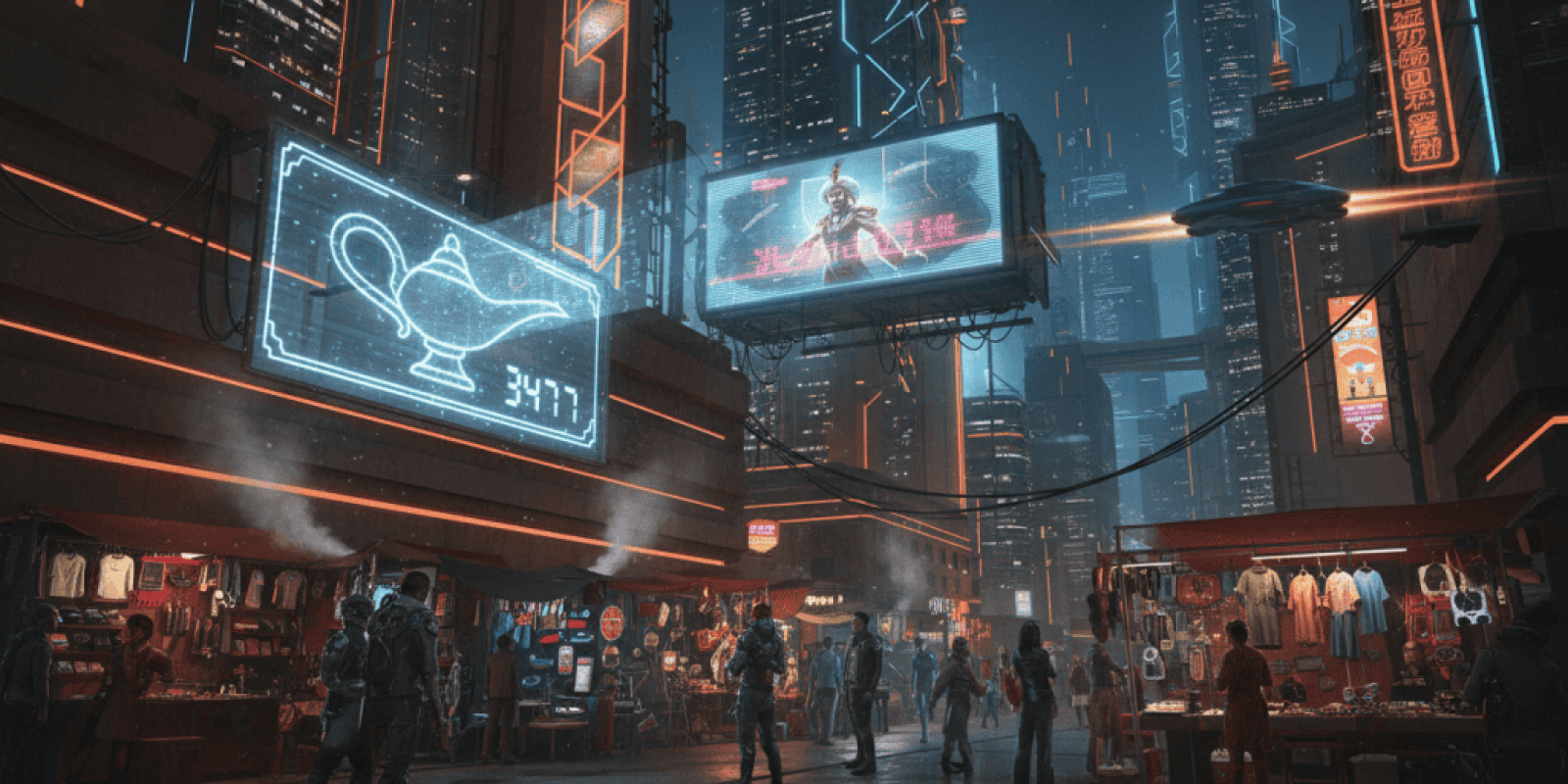
A neon night market in a near future Hong Kong. A street thief bargains for a hacked robot and a pirate streamlink. The crowd watches, not for spectacle, but for permission to imagine a different future.
The obvious read is simple: a cult indie sci fi film found a wider audience once it hit a free streaming service. That is true, but the important business story is quieter and more structural. This is about how an AVOD platform placing a low budget, visually ambitious cyberpunk tale into the mainstream rewires discovery, merchandising, and community-driven franchise-building for creators and micro studios.
Most of the reporting here leans on material published by the film’s own press channels and distributor notices, because the title’s publicity cycle has been driven by independent promotion and festival plays rather than blockbuster trade campaigns. The official production site has been the clearest source of production notes and release updates. (aladdin3477.com)
Why an AVOD pickup looks boring but is actually a distribution event
At first glance, a film appearing on an ad supported app is not news because streaming is where everything goes. The pivot worth paying attention to is visibility versus monetization. Free access on a large platform can convert curiosity into collectible sales, cosplay interest, and a fandom that funds sequels and physical media. That is exactly the play being executed around this title, which pairs vintage practical effects with festival-level merch. (aladdin3477.com)
How the release timeline changed the conversation
Aladdin 3477 debuted on digital transactional platforms on January 3, 2025 and reached AVOD services like Tubi on March 7, 2025, followed by a physical media release in July 2025. Those dates matter because the staggered window let the movie maximize direct revenue before driving mass discovery through free streaming. Concrete launch sequencing is now a micro studio’s lever when the goal is both income and cultural traction. (en.wikipedia.org)
What it looks like when a cyberpunk aesthetic is made on a shoestring
The film leans hard into crafted, tactile visuals: puppetry, miniatures, and in camera tricks sit beside hundreds of composited visual effects shots. That mix produces a worn future look that feels handcrafted rather than templated by big studio CGI factories, and that aesthetic has a dedicated audience who will buy art books, toys, and limited edition packages. The creative choices signal that spending on distinct, authentic world building can outperform a generic visual effects budget in building durable fandom. (en.wikipedia.org)
The sound and music strategy that keeps fans talking
Collaborations with niche electronic artists provided the soundtrack an identity that translates to playlists and live performance tie ins. Music licensing and soundtrack drops give indie films low friction ways to extend reach into gaming and club circuits, where cyberpunk fans already spend. Those tie ins are small revenue streams that add up, and they are easy to scale if a film lands on a high visibility platform. (en.wikipedia.org)
Why Tubi was the right home and what competitors miss
Tubi’s model prioritizes a broad, ad supported audience for long tail content, which is precisely what independent genre films need to move from cult to cash flow. Aggregators like JustWatch show the film across transactional and free platforms, but the AVOD placement is what opens the floodgates to casual viewers who then buy physical merch or rent sequels. That sequence matters in a world where discovery still trumps catalogue depth for niche genres. (justwatch.com)
The publicity moment that started it all
The trailer rollout began with an exclusive reveal on a major entertainment site, which amplified interest among genre communities and press outlets. That early visibility gave the subsequent AVOD push context, turning what would otherwise be a routine platform add into a cultural moment. In this case, a high profile trailer preview seeded the fandom before the film hit free streaming. (screenrant.com)
A low budget does not have to look low imagination; it only has to make fans feel seen.
Practical implications for businesses with 5 to 50 employees
Small studios and creative shops can treat this distribution path as a playbook. Example math: assume a micro studio spends 200,000 to finish a feature, then sells digital downloads for 4.99 and gets an average of 2.50 net per rental. Selling 8,000 rentals nets about 20,000 and covers 10 percent of post production. If the film later streams on AVOD and drives a 2 percent conversion of 50,000 viewers into $30 merch purchases, that is 30,000 in additional revenue. Add licensing for a soundtrack and limited runs of collectible toys and a modest six figure budget can be recovered piecemeal while building a franchise. This model favors shops that can both produce and operate direct to consumer merchandising, marketing, and social engagement. Translation: the office that can shoot a set, run a Shopify store, and edit a trailer is exactly the kind of team that benefits. Small teams will have to master distribution windows and merchandising cadence rather than rely solely on box office. A few people who can do many things beat many people who do one thing. That sentence sounds like a startup pitch but with fewer buzzwords.
Risks, legal friction, and unanswered questions
Copyright and cultural translation are the most immediate hazards when reimagining a familiar folktale with futuristic trappings. Independent productions must be vigilant about licensing music and honoring source material to avoid costly takedowns or PR blowback. Another operational risk is ad revenue volatility on AVOD platforms; CPMs can swing and a film’s lifetime earnings from ads are unpredictable. Finally, platform availability is unstable: a title can be prominent one quarter and buried the next, so rely on recurring community engagement and direct sales rather than a single platform lift.
What cyberpunk culture gains from this moment
The genre benefits when a title that blends practical effects, localized world building, and active merchandising reaches broad audiences. This is a reminder that cyberpunk is not just neon and nihilism but also craft, markets, and subculture economies. For creators, the lesson is that distinct visual language plus smart distribution can build a sustainable niche without studio backing.
Closing note for creators and small studios
This is a playbook that democratizes franchise building: thoughtful early marketing, staggered distribution, and a merchandise strategy can turn a visual indie into a durable IP without landing a studio check. Treat platform placement as phase one of a multi channel business plan, not phase final.
Key Takeaways
- An AVOD placement on a major free streamer can convert discovery into collectible sales and fandom, giving indie cyberpunk titles lasting value.
- Staggered release windows from transactional to AVOD to physical media are deliberate revenue levers for small studios.
- Practical effects and distinct soundtracks offer outsized cultural returns compared to pouring money into anonymous CGI.
- Small teams that combine production, marketing, and e commerce can outmaneuver larger studios on niche IP development.
Frequently Asked Questions
Will putting a film on Tubi make it profitable for a small studio?
Profitability depends on multiple revenue streams, not just ad revenue. Treat Tubi as discovery fuel that should drive rentals, soundtrack sales, and merch to create a layered income model.
How should a team of 10 budget for VOD, AVOD, and physical releases?
Allocate funds for finishing, festival runs, and a modest marketing push before the AVOD window, then reserve 10 to 20 percent of the budget for physical media and merchandising setup. Early direct sales reduce dependence on platform payouts.
Does the cyberpunk audience prefer high end CGI or handcrafted effects?
Many fans prize texture and specificity; handcrafted props and practical sets create community buzz that can translate into stronger merchandise sales. High end CGI is not required to build a passionate audience.
Can music licensing help recoup costs?
Yes. Partnering with niche electronic or alternative artists creates soundtrack revenue and cross promotion opportunities at low marginal cost. Licenses also open doors to live events and playlist discovery.
What metrics should a small studio track after an AVOD launch?
Track viewer conversion to merch, rental volume post AVOD, soundtrack streams, and social engagement metrics. Those numbers forecast whether the title can sustain sequels and physical distribution.
Related Coverage
Readers who liked this should explore how pragmatic merchandising funds independent genre films, and a deeper look at staggered release economics for micro studios on The AI Era News. Also consider reading about community driven IPs where fans underwrite production through crowdfunding and merchandise preorders, which is now a mainstream strategy.
SOURCES: https://tubitv.com/movies/100032713/aladdin-3477-the-jinn-of-wisdom, https://www.aladdin3477.com/, https://en.wikipedia.org/wiki/Aladdin_3477, https://www.justwatch.com/us/movie/aladdin-3477-i-the-jinn-of-wisdom, https://screenrant.com/aladdin-3477-the-jinn-of-wisdom-movie-trailer/