Meituan-W Said to Launch an AI Health Butler and Why That Quiet Move Could Redraw Healthcare Workflows
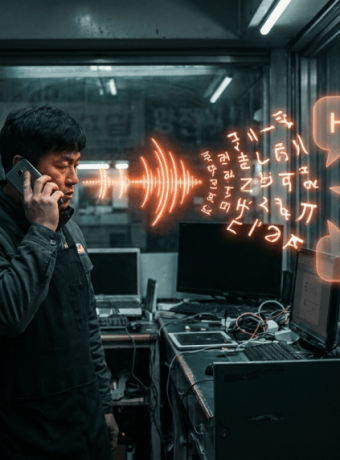
A street-level moment — a delivery rider drops off groceries to an elderly man who asks his phone if his new pills interact with breakfast. The phone gives a confident answer. The conversation is more than convenience; it is the front end of a massive shift in who owns routine health guidance.
The obvious reading is that Meituan is simply extending its super app into yet another vertical to keep users locked in and orders flowing. The less obvious, and far more consequential view, is that a local commerce giant turning routine health advice into an AI-driven service rewrites the incentives for clinics, telemedicine providers, and AI vendors in China and beyond. Merchants should not treat this as another loyalty feature; it is a new distribution layer for medical decision support and recurring patient engagement.
How the rumor landed and what was actually reported
AASTOCKS ran a dispatch detailing Meituan’s public testing of an in-house AI agent called Xiao Mei, positioned as a life assistant that touches food delivery, travel, and health scenarios. The report framed Xiao Mei as based on Meituan’s LongCat-Flash-Chat model and noted public testing had begun in late 2025. (aastocks.com)
Meituan’s own product updates show the company is aggressively embedding AI into merchant tools and merchant-facing automation, not just consumer chat. The company recently upgraded its AI-driven operator tools for restaurants and chains to streamline ordering, reputation management, and inventory forecasting, signaling backend intent as much as frontend play. (meituan.com)
Why rivals are racing toward “health butlers” now
A clutch of Chinese players have declared similar ambitions for AI health assistants, from Baidu’s upgraded Ernie Health Manager to Ant Group and public health startups aiming for persistent health engagement. That competition is not about model size alone; it is about access to regulated medical content, certification, and partnerships with hospitals and pharmacies. Meituan stepping into health makes the contest a fight over touchpoints that already handle prescriptions, OTC medicine, and wellness services daily. (news.pedaily.cn)
Public reporting and commentary on the space have framed these products as 24 hour companions that triage questions and route users to paid services or offline clinics. The math for platforms is simple: convert episodic app visits into ongoing, medically informed interactions and capture downstream transactions in pharmacy, booking, and subscription services. Dry aside: if an AI can upsell supplements between a lunch order and a dentist appointment, someone will build a subscription for that. (chinanews.com.cn)
How this product fits Meituan’s strategy and its scale implications
Meituan already processes hundreds of millions of local transactions a month and has been investing heavily in R and product hiring for AI roles. Putting an AI health butler into that flow turns sparse medical interactions into high frequency touchpoints where Meituan can monetize recommendations, bookings, and e health records access. That is a different revenue vector compared to pure delivery, because clinical and pharmacy spend carries higher lifetime value per user if retention holds.
For AI vendors, the opportunity is platform integration. Meituan’s merchant tools show the company will push APIs and SDKs to partners before it monetizes every interaction. Vendors that can supply medically validated models, compliance tooling, or secure data pipelines will be in demand. The cost for those vendors will be time and audits, not just compute.
The mechanics in numbers and dates that matter
Meituan’s Xiao Mei entered public testing in 2025 as part of a wave of agent products from Chinese platforms, and Meituan’s broader AI hiring and R spend has ramped across 2025 to 2026. Public accounts show Meituan boosting AI talent recruitment in early 2026 and rolling out merchant AI upgrades in March 2026 as a direct productization play. Those dates matter because regulators and health partners often require multi month pilots and certification steps before medical advice can be monetized at scale. (aastocks.com)
An AI health butler that triages mild conditions and routes moderate cases to paid telemedicine could convert even a 1 percent lift in pharmacy conversions into meaningful revenue given Meituan’s user base. That is real math for investors and health vendors, not theoretical value. The platform’s leverage is the same reason supermarkets sell milk at cost and make margin on diapers; the butler keeps people in the ecosystem.
Platforms that already deliver dinner can turn 60 second symptom checks into recurring health commerce unless regulation and partnerships stop them.
Practical scenarios for businesses and concrete math
A mid sized pharmacy chain integrated with Meituan’s health assistant could see a 5 percent to 10 percent increase in refill adherence by pushing reminders and offering same day delivery. For a chain doing RMB 200 million in annual pharmacy sales, a 5 percent lift equals RMB 10 million incremental revenue a year. Clinics that accept Meituan bookings can expect higher no show rates without better patient engagement, but AI nudges and pre visit checks can reduce no shows by 10 percent to 20 percent, materially improving throughput.
Health startups should model unit economics with added CAC pressure from platform fees and lower marketing costs from built in discovery. If patient acquisition cost falls by half because Meituan surfaces the service organically, margins expand even after revenue share. That is where the cold calculation meets the warm feel of a helpful bot.
Risks, compliance headaches, and the credibility problem
Regulatory scrutiny of AI in healthcare is intensifying. Medical advice flows require audit trails, explainability, and human escalation paths. Misdiagnosis or incorrect drug interaction guidance will invite fines and reputational damage, especially when a delivery platform is the intermediary, not a hospital. There is also a competition risk: incumbents with deep clinical partnerships can withhold data or integrations, making the platform’s health assistant less useful in practice.
Data privacy is another tightrope. Integrating medical records with local commerce profiles creates tempting datasets for targeted commerce, but combining them raises consent and data minimization questions that few platforms have fully solved. Finally, measured clinical outcomes are the metric that matters for trust, and those take time to collect.
What AI companies should build to win these contracts
Clinical grade validation pipelines, transparent model provenance, and lightweight audit logs are table stakes. Vendors that provide modular compliance wrappers that map to local regulatory frameworks will outsell raw model providers. Interoperability layers for EHRs, pharmacy management systems, and appointment booking APIs are the plumbing buyers will pay for; models alone will be a checkbox but not a contract winner.
A brave vendor can focus on one tight use case such as medication adherence and build measurable ROI before expanding. Narrow wins in regulated domains are harder to deliver but far stickier; no one loves churn more than a patient whose meds vanish because of a platform update.
What to watch next in the opening months
Watch partnership announcements between Meituan and major hospital networks or pharmacy chains, and regulatory guidance published in the second quarter of 2026 that targets AI medical advice. Also watch whether Meituan opens APIs for merchants or keeps the capability proprietary; an open API approach will create a competitive market for certified health agents, while a closed approach will centralize control and revenue.
Forward looking conclusion
Meituan quietly turning local commerce into a health engagement platform is less about one product and more about remapping patient journeys onto super app flows; that shift creates immediate opportunities for compliant AI vendors and an existential headache for traditional care intermediaries.
Key Takeaways
- Meituan’s public testing of the Xiao Mei AI agent signals a shift from one off health interactions to persistent health engagement across local commerce platforms. (aastocks.com)
- Competitors such as major Chinese tech platforms are positioning 24 hour AI health assistants, making partnership and compliance capabilities crucial. (news.pedaily.cn)
- For pharmacies and clinics, a 5 percent to 10 percent conversion or adherence lift from platform AI features can translate into meaningful revenue gains.
- Vendors should prioritize certified clinical workflows, auditable logs, and EHR interoperability if they want enterprise deals from super apps. (meituan.com)
Frequently Asked Questions
Will Meituan’s AI health butler replace doctors?
No. The product is positioned to triage, educate, and route users rather than deliver definitive clinical diagnosis. Qualified clinicians and human oversight remain necessary for complex cases and regulatory compliance.
How soon could businesses see revenue from integrating with Meituan’s assistant?
Early pilots can show conversion improvements within 3 to 6 months if a pharmacy or clinic connects booking and delivery APIs. Full clinical validation for higher risk features will take longer and require formal audits.
What are the biggest legal risks for partners?
Primary risks include liability for incorrect medical guidance, improper data sharing, and failing to meet local medical device or AI regulation standards. Contracts should include indemnities and clear escalation paths.
Is the technology still mainly a marketing tool or a clinical tool?
At launch, most health butlers will be used for engagement and commerce, but the roadmap points toward clinical support tools once validation and approvals are in place. That means business models will shift over time.
What should a small healthcare startup build first to integrate with a Meituan style platform?
Start with secure booking, prescription fulfilment workflows, and a small validated module like medication reminders. Prove measurable outcomes before expanding into diagnostic or treatment support.
Related Coverage
Explore how AI agents are changing local commerce, the evolving regulatory frameworks for medical AI in China, and case studies of pharmacies that have turned digital nudges into recurring revenue. Readers should also follow product launches from Baidu and Ant Group, which illustrate alternative strategies for embedding AI into health journeys.
SOURCES: https://www.aastocks.com/en/stocks/news/aafn-con/NOW.1469869/top-news/AAFN, https://www.meituan.com/news/NN260327175004721, https://cj.sina.com.cn/articles/view/7651844612/1c815e20402001tsoy, https://www.chinanews.com.cn/cj/2025/12-22/10538170.shtml, https://news.pedaily.cn/202512/558809.shtml. (aastocks.com)