
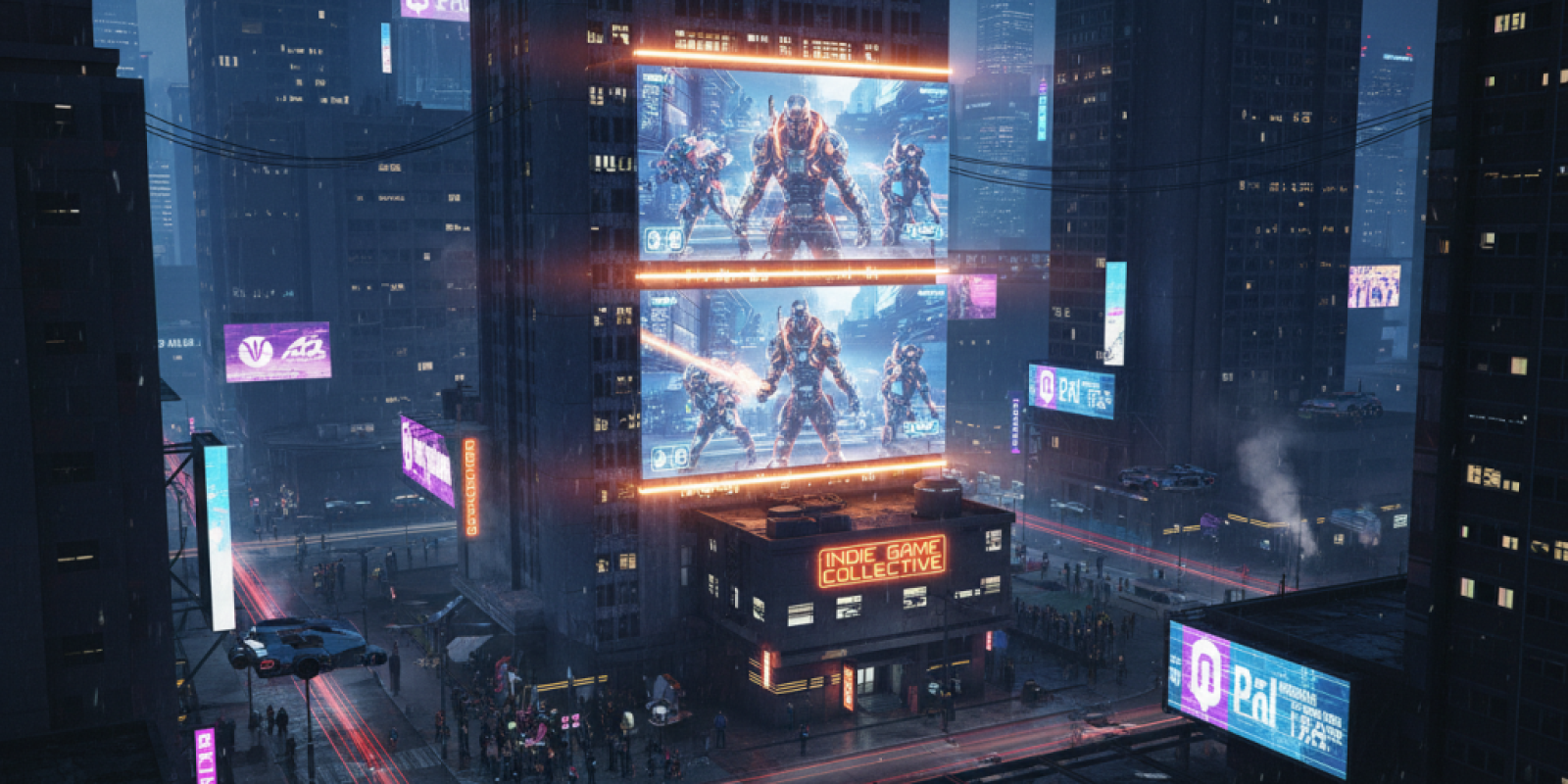
I Created a Cyberpunk Game Animated Trailer and It Changed How the Subculture Talks to Itself
A neon-lit cut to black, a synth hit, then 30 seconds of a city that looks like someone rebuilt Tokyo with spare parts from the future. What happens next is louder than the visuals.
A trailer is supposed to sell a game. That is the mainstream reading: crisp renders, a pulse of music, and a promise that a playable world exists somewhere beyond the preroll. For owners and studios the obvious metric is simple visibility; trailers generate views and can lift wishlists and preorders. The angle that matters more for cyberpunk culture is subtler: animated trailers do not merely market games, they rewrite the aesthetic grammar of cyberpunk and shift where creative authority sits in the industry.
When a trailer becomes a cultural artifact
Trailers have moved from promotional tokens to pieces of visual culture that fans interrogate frame by frame. The E3 era taught this, with the 2018 Cyberpunk 2077 trailer standing as a moment when a single cinematic sequence reshaped expectations about Night City and about how studio ambition is translated into hype. Journalists and scholars unpacked that trailer for narrative and political cues, which then fed fan debates about authorship and authenticity. This interplay between marketing video and cultural conversation is now routine. (pcgamer.com)
Why the tooling shift matters right now
Real-time engines and free pipelines mean a polished cinematic no longer requires a Hollywood budget. Unreal Engine’s Sequencer and its cinematic workflow let teams block, animate, light, and render assets inside the engine, collapsing stages that used to be separate and expensive. That democratization is changing who can make the authoritative cyberpunk image and how quickly it spreads. (dev.epicgames.com)
Small teams can look studio-big without a studio budget
Motion capture, procedural lighting, and in-engine postprocessing mean indie teams can produce a 90 second trailer that would have required a dozen vendors a decade ago. Motion capture services and affordable suit rentals let a team of 10 to 20 capture plausible performances in a day, then cut a trailer over two to four weeks. This is why some indie cyberpunk titles now arrive with trailers that look like midbudget films. (mocaponline.com)
The industry consequences for studios and agencies
Trailers are now a performance vector for funding, partnership talks, and press cycles. Publishers and platform pages favor video assets, while Steam’s trailer guidelines explicitly define microtrailer expectations and platform behavior for video placement. That policy landscape forces studios to treat trailers as strategic assets rather than optional extras. Agencies that used to promise motion design now compete on pipeline mastery and real-time craft. (partner.steamgames.com)
What cyberpunk culture gains and loses
Culturally, animated trailers reify a polished aesthetic of neon and chrome that can crowd out the genre’s grittier, low-fi traditions. On one hand, high-production trailers expand the audience by translating complex worldbuilding into accessible spectacle. On the other hand, the rise of cinematic polish risks flattening design diversity, because algorithms and platform norms reward a narrow set of visual and pacing tropes. A community that prizes subversion can find itself curated by optimization metrics rather than taste. Scholarly work on marketing paratexts underscores how these promotional artifacts shape fan meaning and gatekeeping across fandoms. (journals.sagepub.com)
A trailer does not just promise a game; in cyberpunk it often promises a version of the future people will argue about.
The core story in numbers and names
Between 2020 and 2025 the cost to produce a high-quality animated trailer fell from what used to be mid six figure sums to a range studios call reasonable for indies: roughly 30,000 to 150,000 in hard costs if a team leverages in-house engine work and modest mocap. Engine vendors and middleware growth account for most of that compression, and a growing marketplace for freelance cinematic artists compresses timelines to weeks rather than months. Measured impact is pragmatic: platforms like YouTube and Steam still prioritize videos for discovery, while indie marketing analyses show that trailer-derived conversions must be tracked against a Baseline Velocity rather than raw views to be meaningful. One marketing specialist put it bluntly: views are noisy unless paired with conversion benchmarks. (indiegametrailers.com)
Why competitors are watching this closely
Major studios continue to set spectacle benchmarks, but platform changes and cheaper tooling let midlevel and indie teams compete on cinematic narrative. The competitive field includes in-house publisher teams, boutique motion houses, and freelance cinematics collectives. Each group now negotiates the same real-time pipeline, which means the differentiator is storytelling clarity and alignment between trailer promise and actual gameplay. When those diverge fans push back quickly and loudly, often in ways that shape postlaunch reputations.
Practical implications for businesses with 5 to 50 employees
A five person studio should budget trailer work as part of prelaunch marketing, not an add-on. Scenario one: a studio of 10 people allocates 60 hours of engine work, rents mocap for one day at 1,000 to 2,000, and hires a freelance compositor for 5,000, producing a playable-quality trailer for about 12,000 total. Scenario two: a 40 person team can insource more and spend 40,000 to 80,000 adding bespoke voicework and licensed music to boost discoverability. In both cases measure impact by wishlist velocity and visit-to-wishlist conversion in the two weeks after trailer release, not just view count. Tradeoffs are concrete: spending 20,000 on a trailer requires a proportional lift in reach or conversion to justify the spend versus allocating that budget to a small demo or influencer seed campaign.
The cost nobody is calculating
Postproduction and community management are often undersized in budgets. A trailer that sparks conversation requires daily moderation, rapid creative follow-ups, and analytics to interpret sentiment shifts. Small teams that forget to budget 10 to 15 percent of trailer spend for postlaunch community ops quickly watch engagement evaporate. One can imagine a trailer going viral and leaving a team too small to manage either praise or criticism; a good problem if handled, a reputational problem if not.
Risks and unanswered questions
Trailers can overpromise and trigger backlash when gameplay diverges from the cinematic. Platform policy changes around video handling and microtrailer generation create distribution risk if a studio’s hero shot gets auto cropped into an unrecognizable micro ad. There is also an ethical component: cyberpunk often traffics in dystopian images and disposable bodies, and trailers bred for virality can flatten sensitive themes into spectacle. Finally, metrics reliability poses an open question for small teams: which conversion benchmarks scale and which are vanity numbers that mislead funding conversations.
What businesses should do next, practically
Prioritize clarity over polish. Show gameplay in the first 10 seconds for discoverability on store pages, then use cinematic sequences to sell mood and world. Pair any trailer release with a measured conversion experiment and a one to two week community response plan that budgets staffing and paid reach. If the budget is tight, trade a day of mocap for stronger sound design and a sharper edit; audiences notice rhythm more than resolution.
A close with an operational insight
A trailer is not a magic bullet; it is a controlled experiment that scales perception. Treat it as part creative pitch and part data source and the next time a neon skyline goes viral it will serve the studio as much as it serves the myth.
Key Takeaways
- A polished animated trailer can be produced affordably now thanks to real-time engines and mocap, but it must match the gameplay promise to protect reputation.
- Show gameplay in the earliest moments for store conversion and treat views as noise unless paired with conversion benchmarks.
- Small teams should budget 10 to 15 percent of trailer spend for postlaunch community management and analytics.
- Platform rules about trailers and microtrailers affect discoverability, so pipeline choices should be informed by platform documentation.
Frequently Asked Questions
How much should a small studio expect to spend on an animated cyberpunk trailer?
Typical budgets range widely, but a lean production that leverages in-engine work and minimal freelance can land between 10,000 to 30,000. Costs rise if bespoke voice acting, licensed music, or extended mocap are required.
Does a cinematic trailer actually increase sales for indie games?
A cinematic trailer can boost visibility and wishlists, but success depends on conversion metrics and alignment with store assets. Track visit-to-wishlist and visit-to-purchase rates to evaluate real impact.
Should trailers show gameplay or can they be purely cinematic?
For discoverability on most platforms, showing gameplay early improves conversion for indie titles. Cinematic moments can enhance mood, but they perform best when paired with clear gameplay signals.
Can a team of five really produce a trailer that competes with studio work?
Yes, with focused scope, smart use of engine tools, and targeted mocap a small team can produce a high-impact trailer. The tradeoff is scale and iteration speed, not necessarily quality.
What are the legal or ethical pitfalls to watch for in cyberpunk trailers?
Avoid depictions that exploit real-world trauma or enable misinformation about gameplay features. Licenses for music and third-party assets must be cleared to prevent takedowns and reputational damage.
Related Coverage
Readers interested in where cyberpunk visuals are headed should explore features on procedural city generation, audio design for synth-driven worlds, and the rise of community-driven narrative tools. The interplay between AI-assisted art and fan labor is also a useful follow-up for teams thinking about sustainable postlaunch engagement.
SOURCES: https://dev.epicgames.com/documentation/unreal-engine/how-to-make-movies-in-unreal-engine?lang=en-US https://www.pcgamer.com/cyberpunk-2077-frame-by-frame-trailer-series-explores-political-side-of-night-city/ https://journals.sagepub.com/doi/10.1177/15554120231160904 https://indiegametrailers.com/2026/04/21/how-to-measure-if-your-game-trailer-actually-worked-and-why-youtube-views-are-lying-to-you/ https://partner.steamgames.com/doc/store/trailer




Night City 2045: Official Cyberpunk 2077 Prequel Is Here
June 17, 2026 @ 8:28 am
[…] attention in 2022. The video game rebuilt its reputation through genuine post-launch improvement. Indie studios have already taken notes on how a single well-executed piece of IP-adjacent media can transform a franchise’s cultural […]