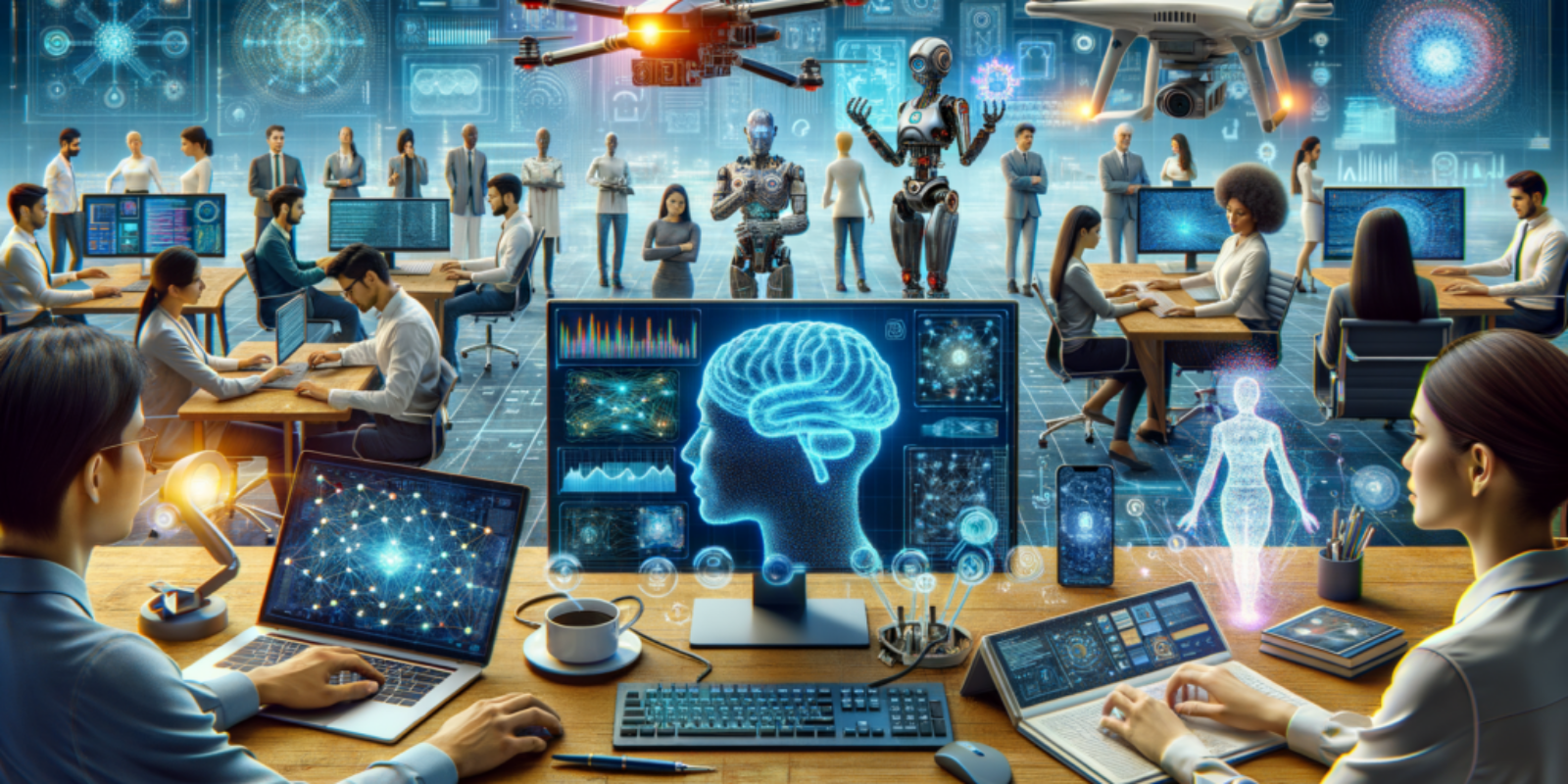
Artificial intelligence (AI) is no longer a futuristic concept; it is a driving force reshaping industries and redefining business strategies. According to a report from McKinsey & Company, AI could contribute an additional $13 trillion to the global economy by 2030. This staggering figure underscores the urgency for small and medium-sized business (SMB) owners to understand and adapt to these technological trends. The rapid evolution of AI technologies is not just about automation; it encompasses machine learning, deep learning, and advanced analytics that can enhance decision-making processes.
As AI continues to permeate various sectors, its implications for efficiency, cost reduction, and competitive advantage are profound. Business owners must recognize that the integration of AI is not merely an option but a necessity for survival in an increasingly digital marketplace. The next 90 days could be pivotal for those who choose to embrace these changes, as early adopters often gain a significant edge over their competitors.
As artificial intelligence continues to evolve, it influences various aspects of our lives, including home decor and design. A fascinating article that explores the intersection of technology and aesthetics is titled “Cyberpunk Room Ideas: DIY Neon Futuristic Decor Tech.” This piece delves into how AI technology trends can inspire innovative and futuristic interior designs, making spaces not only visually striking but also smart and functional. To read more about these exciting ideas, visit the article here: Cyberpunk Room Ideas: DIY Neon Futuristic Decor Tech.
Advancements in Machine Learning and Deep Learning
Machine learning and deep learning are at the forefront of AI advancements, enabling systems to learn from data and improve over time without explicit programming. In 2023, OpenAI’s ChatGPT-4 demonstrated remarkable capabilities in natural language processing, allowing businesses to automate customer service interactions with unprecedented accuracy. This technology can analyze customer inquiries, provide instant responses, and even learn from past interactions to enhance future performance.
However, the benefits of these advancements come with challenges. Implementing machine learning solutions requires substantial data, which many SMBs may lack. Additionally, the complexity of these systems can lead to implementation hurdles, particularly for businesses without dedicated technical resources. Despite these limitations, the potential for improved efficiency and customer satisfaction makes investing in machine learning a compelling proposition.
Impact of AI on Automation and Robotics

The impact of AI on automation and robotics is transforming traditional workflows across industries. According to a report by PwC, up to 30% of jobs could be automated by the mid-2030s, significantly altering the labor market. For SMBs, this presents both opportunities and challenges. Automation can streamline operations, reduce labor costs, and enhance productivity. For instance, companies like UiPath are providing robotic process automation (RPA) tools that allow businesses to automate repetitive tasks, freeing up human resources for more strategic initiatives.
On the flip side, the rise of automation raises concerns about job displacement and the need for workforce reskilling. Business owners must navigate this delicate balance between leveraging technology for efficiency and ensuring their employees are equipped for the future job market. The next 90 days should focus on identifying areas where automation can be beneficial while also investing in training programs to prepare staff for new roles.
Ethical and Privacy Considerations in AI Development

As AI technologies advance, ethical and privacy considerations have become increasingly critical. The use of AI in decision-making processes raises questions about bias, transparency, and accountability. For example, facial recognition technology has faced scrutiny for its potential to perpetuate racial biases. Companies like IBM have taken a stand by halting the sale of facial recognition software until ethical guidelines are established.
Moreover, data privacy remains a significant concern as businesses collect vast amounts of personal information to train AI models. The General Data Protection Regulation (GDPR) in Europe sets stringent guidelines for data usage, and similar regulations are emerging worldwide. SMB owners must prioritize ethical AI practices and ensure compliance with data protection laws to avoid legal repercussions and maintain customer trust.
As AI technology continues to evolve, its applications in education are becoming increasingly intriguing. A recent article discusses the potential of virtual waifus as a replacement for teachers in small schools, exploring the implications of such advancements. This innovative approach raises questions about the future of learning environments and the role of human educators. To read more about this fascinating topic, you can check out the article on virtual waifus and their impact on education here.
Integration of AI in Healthcare and Medicine
| AI Technology Trend | Description | 2024 Adoption Rate (%) | Key Industry Impact | Projected Growth (2024-2027) |
|---|---|---|---|---|
| Generative AI | AI systems that create content such as text, images, and code. | 45 | Content creation, marketing, software development | 35% CAGR |
| AI-powered Automation | Automation of repetitive tasks using AI algorithms. | 60 | Manufacturing, customer service, logistics | 28% CAGR |
| Explainable AI (XAI) | Techniques to make AI decision-making transparent and understandable. | 30 | Healthcare, finance, legal sectors | 22% CAGR |
| Edge AI | AI processing performed locally on devices rather than centralized servers. | 40 | IoT, autonomous vehicles, smart devices | 40% CAGR |
| AI Ethics and Governance | Frameworks and policies to ensure responsible AI use. | 25 | All industries, especially regulated sectors | 20% CAGR |
The integration of AI in healthcare is revolutionizing patient care and operational efficiency. Technologies such as IBM Watson Health are enabling healthcare providers to analyze vast datasets for improved diagnostics and treatment plans. For instance, AI algorithms can identify patterns in medical imaging that may be missed by human eyes, leading to earlier detection of diseases like cancer.
However, the adoption of AI in healthcare is not without challenges. Concerns about data security, patient privacy, and the need for regulatory approval can slow down implementation. Additionally, there is skepticism about the reliability of AI-driven recommendations compared to human expertise. Business owners in the healthcare sector must navigate these complexities while focusing on how AI can enhance patient outcomes and streamline operations.
As AI technology continues to evolve, its implications for cybersecurity are becoming increasingly significant. A recent article discusses how AI platforms might fuel the next wave of malware campaigns, highlighting the dual-edged nature of these advancements. You can read more about this concerning trend in the article found here. Understanding these developments is crucial for both tech enthusiasts and professionals in the field, as they navigate the challenges posed by emerging threats.
AI in Business and Marketing
Discover how professional AI prompts for businesses can transform your company’s productivity and innovation.
AI is transforming business operations and marketing strategies by enabling more personalized customer experiences. Companies like Salesforce are leveraging AI to analyze customer data and predict buying behaviors, allowing businesses to tailor their marketing efforts effectively. This level of personalization can significantly enhance customer engagement and drive sales.
Despite these advantages, there are limitations to consider. The reliance on data-driven insights can lead to over-segmentation of audiences, potentially alienating customers who do not fit neatly into predefined categories. Additionally, the cost of implementing sophisticated AI marketing tools may be prohibitive for some SMBs. Business owners should weigh the benefits of personalized marketing against the potential risks of alienating segments of their customer base.
AI in Smart Cities and Infrastructure
The concept of smart cities is gaining traction as urban areas seek to leverage AI for improved infrastructure management and enhanced quality of life. Cities like Barcelona are using AI-driven systems to optimize traffic flow, reduce energy consumption, and improve public safety. These initiatives not only enhance urban living but also create opportunities for businesses involved in technology development and implementation.
However, the transition to smart cities presents challenges related to funding, public acceptance, and data privacy concerns. Many residents may be wary of surveillance technologies that accompany smart city initiatives. Business owners looking to engage with smart city projects must address these concerns while demonstrating the tangible benefits that AI can bring to urban environments.
The Future of AI: Predictions and Speculations
Looking ahead, the future of AI holds both promise and uncertainty. Experts predict that advancements in generative AI will continue to reshape industries by enabling more sophisticated content creation and decision-making processes. Companies like Google are investing heavily in generative models that can produce high-quality text, images, and even music.
However, there is skepticism about the pace of these advancements and their implications for job security and ethical considerations. As AI systems become more autonomous, questions about accountability and decision-making authority will become increasingly pressing. Business owners must stay informed about these developments while preparing for a future where AI plays an even more integral role in their operations.
What This Means for Your Business
– Evaluate your current operations for areas where machine learning or automation can enhance efficiency; consider pilot projects within your organization.
– Stay informed about ethical guidelines related to AI; ensure your business practices align with emerging regulations to build customer trust.
– Explore partnerships with technology providers specializing in AI solutions; leverage their expertise to implement effective strategies tailored to your business needs.
FAQs
What are the current major trends in AI technology?
Current major trends in AI technology include advancements in natural language processing, increased use of AI in healthcare and finance, development of explainable AI, growth in AI-powered automation, and the integration of AI with edge computing.
How is AI impacting different industries?
AI is transforming industries by improving efficiency, enabling predictive analytics, automating routine tasks, enhancing customer experiences, and supporting decision-making processes in sectors such as healthcare, finance, manufacturing, and retail.
What is explainable AI and why is it important?
Explainable AI refers to AI systems designed to provide transparent and understandable explanations for their decisions and actions. It is important for building trust, ensuring accountability, and meeting regulatory requirements.
What role does AI play in automation?
AI plays a critical role in automation by enabling machines to perform complex tasks that require learning, reasoning, and adaptation, thereby increasing productivity and reducing human error in various processes.
What are the challenges associated with AI technology trends?
Challenges include data privacy concerns, ethical considerations, bias in AI algorithms, the need for large datasets, high computational costs, and the requirement for skilled professionals to develop and maintain AI systems.