OpenSim Pavilion ‘Synthetic Dreams’ Joins The Wrong Biennale and Forces the Metaverse to Grow Up
A small group of OpenSim artists opened a portal this weekend into a global art festival, and the ripples are already asking painful questions about value, moderation, and who pays for shared virtual space.
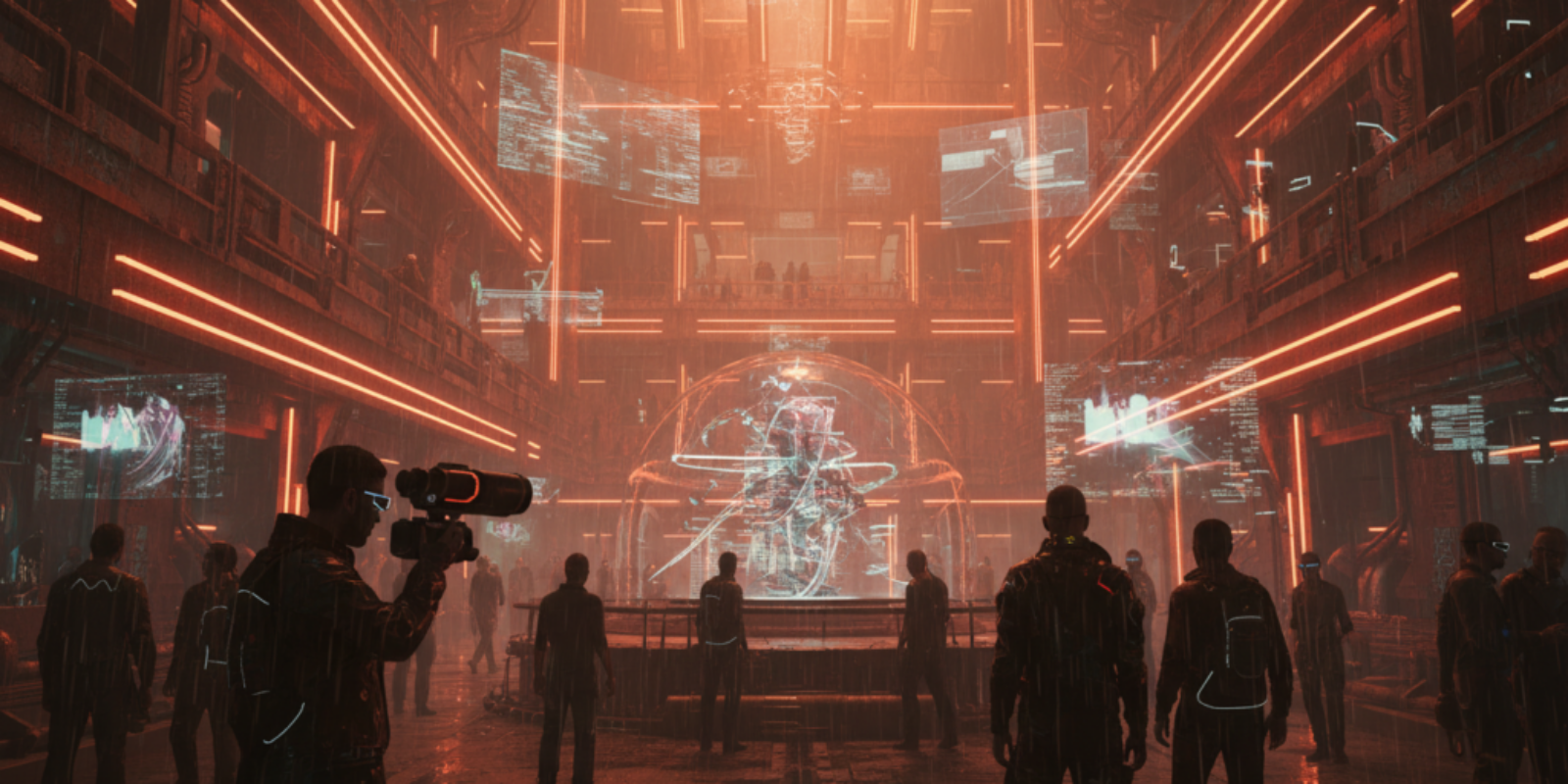
A visitor standing under a neon tree in a Kitely-built room might think they are at a gallery opening, but the scene is also a ledger test, a moderation experiment, and a marketing exercise rolled into one. The room is quiet except for an avatar nervously rehearsing a curator script, which is an oddly human sound in a place designed to be synthetic.
On the surface this looks like another arts PR moment. The obvious interpretation is that OpenSim builders found a prestigious stage and used it to show off work. That is true, and this piece leans on press materials released by the project and its hosts. The deeper effect worth watching for business leaders is how a DIY metaverse community is using conventional festival structures to claim legitimacy, scale audiences, and export both technical standards and governance practices into the wider industry. Hypergrid Business covered the original release and provides the backbone for the event timeline and quotes.
Why festival legitimacy matters more than the opening party
Festival inclusion is a reputational currency that projects can trade for attention, partnerships, and invites to grant programs. For an ecosystem built largely on volunteer time and ad hoc hosting, being listed in a global biennale validates the platform as more than a hobbyist playground. Small teams can spin that validation into paid commissions, press, or invitations to academic shows.
That validation also brings obligations. Hosting at scale exposes gaps in content moderation, accessibility, and analytics. The metaverse is now cross-pressured by curatorial norms and platform engineering requirements, and one side will have to bend.
The competitive landscape is quietly changing
OpenSim’s move is not an isolated stunt. Established virtual worlds such as Second Life, Decentraland, and VRChat already court institutional partners and artists. What makes the Synthetic Dreams project different is its insistence on open, interlinked grids and low-cost access for creators, which flips the usual gatekeeping script. Expect to see other creative communities attempt the same hybrid model in the next 12 to 18 months, because showing in a festival is cheaper than renting a museum wall. This will be a slow bleed, not a raid, but it will look dramatic in press releases.
The core story in names, numbers, and dates
Synthetic Dreams runs as part of The Wrong Biennale from November 1, 2025 to March 31, 2026 and opened an in-world gallery at Kitely’s new Expo Center on November 1, with an opening party held on Saturday November 8 at noon Pacific time, according to organizers. The Wrong Biennale describes the seventh edition as focused on the artistic present of artificial intelligence, which frames why AI-assisted pieces are central to the pavilion. The pavilion curators Kimm Starr, Cooper Swizzle, and Koshari Mahana selected 15 contributing OpenSim artists to appear both on a dedicated website and inside the kitely-hosted space, as documented on the Synthetic Dreams site. Synthetic Dreams lists the artist roster and describes the dual web and in-world presentation strategy.
Visitors can teleport to the Kitely Expo Center using the hypergrid address grid.kitely.com:8002:Kitely Expo Center, and community posts show early positive engagement and walk-through reports. OpenSim World logged the region details and player comments, which suggests healthy grassroots traffic in the first week. The Wrong Gallery also ran salon events associated with the wider biennale, signaling cross-promotion with offline programming. The Wrong Gallery lists related salon dates that tie the digital pavilion to live conversations.
Synthetic Dreams is less about a single show and more about proving a social and technical pattern that other metaverse projects will copy.
What a small studio of 5 to 50 people should budget and expect
A studio planning its own pavilion should budget staff time, hosting, and modest marketing. Assume 2 designers, 1 developer, 1 community lead, and 1 producer for a 12 week build window. At labor rates of 60 to 120 dollars per hour for skilled 3D and backend work, a 12 week engagement with a 20 hour per week commitment per person totals 96,000 to 192,000 dollars in labor cost. If cheaper contractor rates are used, the figure can drop to roughly 24,000 to 48,000 dollars for a minimal viable show, but that will compress quality and outreach.
Hosting and operational costs are smaller but nontrivial. Renting or provisioning a public-access OpenSim region, paying for bandwidth, and buying a Gloebit or similar microtransaction integration could add 200 to 2,000 dollars per month depending on scale. If a studio charges 5 dollars entry to recoup costs, it would need 40 to 400 paying visits per month to break even on a 2,000 dollar monthly bill. These are blunt numbers, but the point is the math is straightforward enough for small teams to model before taking on reputational risk. Also, expect unexpected hours labeled as “community hospitality” that will outlast the build and keep someone on call. Someone always buys the virtual wine.
A short list of practical steps for teams who want to follow
Design for repeat visits by adding microinteraction incentives. Prioritize cross-platform entry points so people on different viewers and devices can join with minimal friction. Log visits and simple engagement metrics from day one to show partners meaningful audience numbers. Workshops and live events are low-cost ways to multiply impact without increasing infrastructure significantly.
Risks, legal knots, and the questions investors will ask
AI-assisted art raises copyright and provenance questions that are unresolved in many jurisdictions. Curators and platform hosts may be exposed to takedown requests or attribution disputes, which multiplies moderation costs. Technical fragility remains; OpenSim grids are resilient in different ways from proprietary platforms but require active administration for security and uptime. Finally, festival exposure delivers attention but not automatic revenue, and operating as a noncommercial exhibition can create expectations of free access that conflict with monetization needs.
Where this move pushes the industry next
Synthetic Dreams reframes metaverse growth as a cooperative between grassroots creators and visible cultural institutions. That hybrid legitimizes alternative stacks and may encourage funders to support open platforms rather than only investing in walled gardens. For businesses, the lesson is clear: partnering with creative communities can buy credibility and audience reach more quickly than building a platform from scratch.
Key Takeaways
- Festival inclusion turns grassroots metaverse projects into credible partners for institutions and funders.
- A small studio should model labor and hosting costs before committing, because reputational wins do not pay bandwidth.
- AI in art magnifies legal and moderation risk, so factor compliance resources into budgets.
- Building a hybrid web plus in-world exhibit multiplies reach with modest additional infrastructure.
Frequently Asked Questions
How do I get my OpenSim project into a biennale like this?
Contact the biennale organizers through their submission channels and prepare a coherent proposal that explains audience, technical needs, and the curatorial concept. Demonstrated community engagement and a plan for moderation and accessibility will improve chances.
Can a 5 person studio realistically build an exhibit for an event like this?
Yes, with focused scope and clear division of labor. Outsource heavy lifting like rigging or server administration if needed, and budget at least 8 to 12 weeks for design, integration, and testing.
Will showing in a festival drive sales or commissions?
Festival exposure increases visibility and portfolio credibility, which can lead to commissions, but direct monetization usually requires follow-up engagement strategies such as workshops, limited editions, or membership offers.
What are the main legal issues with AI-created pieces in a virtual gallery?
Unclear provenance, training data concerns, and attribution for mixed human and machine contributions are the primary issues. Seek legal counsel when works are intended for sale or when they reuse recognizable copyrighted elements.
Is OpenSim stable enough for public events with thousands of visitors?
OpenSim can scale if properly hosted and managed, but it requires more active technical oversight than many proprietary platforms. Plan for phased rollouts and redundancy to avoid outages.
Related Coverage
Readers interested in this story should follow how open grid economies are evolving, including microtransaction systems and creator revenue models. Also watch writing on content moderation in virtual worlds, where curation meets platform safety and legal compliance.
SOURCES: https://www.hypergridbusiness.com/2025/10/opensim-pavilion-synthetic-dreams-joins-the-wrong-biennale-saturday/ https://www.syntheticdreams.info/ https://thewrong.org/SyntheticDreams https://opensimworld.com/hop/94673 https://www.thewronggallery.com/salons