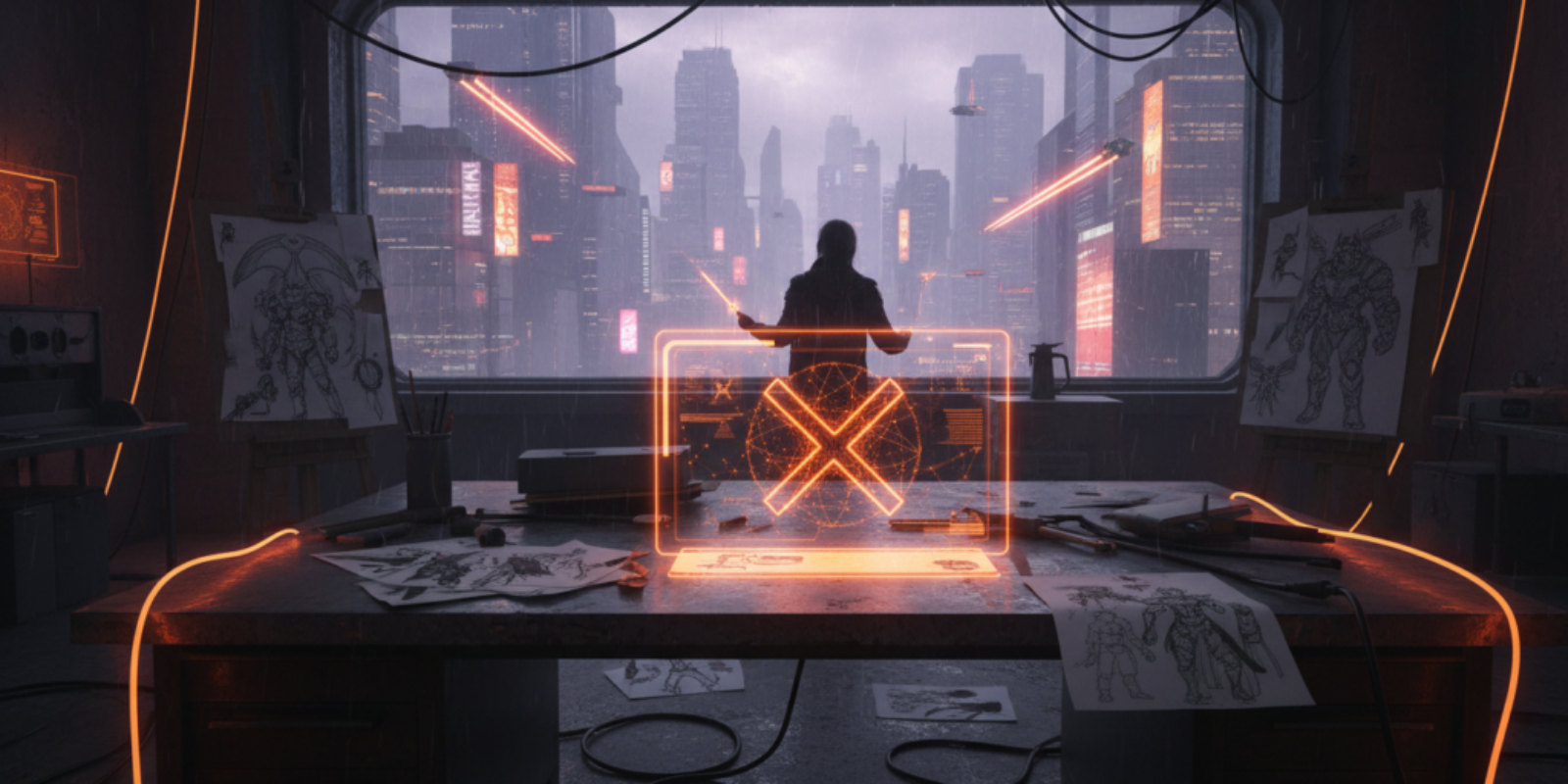
Larian Says It Won’t Use Generative AI For Divinity Concept Art, and That Decision Matters More Than Fans Think
A studio known for theatrical design choices has drawn a clear line on AI. The obvious reading is PR damage control. The deeper consequence is an industry test case for how studios balance iteration speed against creative provenance.
A quiet drama played out on social feeds and message boards when Larian Studios’ remarks about experimenting with generative AI collided with frightened fans and former staff. The moment was low on spectacle and high on consequence: a respected developer had to choose whether to let a machine touch the visual DNA of a flagship fantasy franchise.
Most commentary framed the story as a public relations reversal after fan backlash. That is true on the surface, but the move also signals a strategic choice about what value looks like when AI can mimic existing visual styles at scale. This is not only about art credit; it is about how product road maps, hiring, and vendor markets will reprice creative labor going forward.
Why studios’ AI choices will reshape supplier markets and contracts
How a studio answers whether AI can produce core creative assets immediately changes the demand curve for tools and talent. If major developers accept AI-generated concept art, tooling companies and models that optimize for cheap, fast image output will boom. If studios like Larian refuse to rely on AI for final creative work, demand shifts back into professional artists, boutique studios, and proprietary data curation services. This is a market decision as much as an aesthetic one. PC Gamer covered how Divinity’s announcement and production posture put those tradeoffs on public view. PC Gamer
What Larian actually said and when
The clearest public framing came in early January 2026 when CEO Swen Vincke used a Reddit AMA to remove ambiguity about concept art usage. Vincke stated that generative AI would not be used to create concept art or writing for Divinity, clarifying previous comments about experimenting with AI in ideation and placeholder tasks. Forbes reported the AMA and the studio’s follow up statements on January 9, 2026.
H3: Numbers, names, timeline
Vincke also provided concrete staffing details that matter to buyers and competitors: Larian has around 72 artists and 23 dedicated concept artists and is hiring more, a numeric rebuttal to fears that AI would be used to replace staff. The studio confirmed Divinity is in production but did not commit to a release year, making the policy durable for at least the current development cycle. These operational details were part of the public record immediately after Vincke’s clarification. The Verge
Larian’s choice is not an anti AI manifesto; it is a policy that says where the studio thinks human authorship still matters.
The cost nobody is calculating for iteration speed and creative control
Studios trade off two financial levers when they adopt AI for visual ideation: reduction in time to begin a polished concept and potential legal or reputational cost. A small scenario makes this concrete. A mid level concept artist in Western Europe or North America costs roughly 60,000 to 100,000 dollars per year in salary and benefits. Subscriptions to advanced generative art platforms and associated compute can run studios a few thousand dollars per month, but litigation and sourcing risk can create downstream costs that are harder to quantify. Choosing to keep concept art human created preserves a higher upfront payroll but reduces exposure to provenance disputes and potential downstream takedown or licensing claims. Dexerto’s reporting captured how Larian framed that tradeoff as iteration speed versus origin certainty. Dexerto
An aside about corporate math: companies love variable costs until someone asks for the invoice and the contract mentions indemnity. Expect accountants to ask tougher questions next quarter.
Practical implications for AI vendors and middleware providers
Vendors selling creative AI will need clearer provenance tooling and enterprise licensing to keep studio doors open. Larian’s stance suggests a short term commercial opportunity for models trained exclusively on proprietary assets or on cleared, licensed datasets. Tools that provide verifiable training logs, audit trails, or on premises model hosting will be easier to sell to cautious studios. Nintendo Wire reported Vincke saying the studio might use generative AI in other departments but would not use it in concept art development unless training data provenance was guaranteed. That is a product requirement in plain English. Nintendo Wire
Risks and open questions studios should pressure-test
Legal and ethical exposure remains the most immediate stress test. Models trained on scraped art without permission invite claims and bad press. There is also a creative risk: iterative AI output can create visual homogeneity if studios rely on similar prompts. Finally, workforce morale and retention are real operational risks; developers who feel their craft is trivialized are likelier to leave. Larian’s public line is a partial risk hedging strategy, not a final answer for every studio.
A dry aside for the future: the safest short term career advice is to learn to manage AI as a collaborator rather than treating it like an unreliable intern with a flair for plagiarism.
Why small teams should watch this closely
Indie studios often run on tight budgets and are more likely to adopt generative tools to accelerate production. Larian’s stance signals where premium publishers might value authenticity and where indies can differentiate by being AI-first or human-first. That differentiation will show up in hiring, marketing, and even distribution choices over the next 12 to 36 months.
Forward look
Larian’s policy will not stop AI research, but it does create a market signal: for high profile creative work, provenance and human authorship remain commercially valuable attributes that can be priced and defended.
Key Takeaways
- Larian’s decision to exclude generative AI from final concept art reframes value as provenance over pure speed.
- The studio’s public staffing numbers reduce the argument that AI will imminently replace artists in AAA development.
- AI vendors who can guarantee clean training data and auditable provenance will gain traction with cautious publishers.
- Smaller studios must choose whether to compete on cost and speed with AI or on artisanal authorship and provenance.
Frequently Asked Questions
Will this stop other big studios from using generative AI in games?
No, each studio will make its own calculation based on legal exposure, timelines, and public reaction. Some publishers will double down on AI for technical tasks while others will define human-only zones for creative work.
Does Larian banning AI from concept art mean the game will be cheaper or more expensive to make?
It means budget allocation changes rather than a clear cost drop or rise. Expect more spend on skilled artists and possibly less on third party AI subscriptions, with tradeoffs in iteration speed and staffing overhead.
Can AI still be used elsewhere in game development safely?
Yes, there are lower risk applications like automated testing, localization assistance, and animation cleanup where provenance concerns are smaller and benefits are measurable.
Should an indie studio mirror Larian’s approach?
Indies should weigh brand positioning, audience expectations, and legal risk. For some, being AI-first is a viable competitive advantage; for others, human-crafted art can be a selling point.
What should AI vendors do to regain trust from cautious studios?
Vendors should offer auditable training records, enterprise hosting options, and licensing guarantees so studios can verify origin and avoid legal exposure.
Related Coverage
Readers interested in the economic implications should track vendor responses offering verifiable training provenance and enterprise contracts. Coverage of how publishers like Bethesda and Ubisoft approach AI policy will reveal whether Larian’s stance becomes an industry outlier or a new baseline.
SOURCES: https://www.forbes.com/sites/paultassi/2026/01/09/larian-says-it-wont-use-genai-art-or-writing-in-divinity-development/ https://www.theverge.com/news/845713/larian-ceo-divinity-ai-swen-vincke https://www.pcgamer.com/games/rpg/divinity-guide/ https://www.dexerto.com/gaming/larian-backs-down-on-using-ai-art-in-divinity-but-will-still-use-ai-in-development-3302749/ https://nintendowire.com/news/2026/01/09/larian-ceo-backtracks-on-gen-ai-usage-for-new-divinity-still-believes-the-tech-can-help-in-development/