GOG’s AI Banner and the Quiet Squeeze on Human Creativity
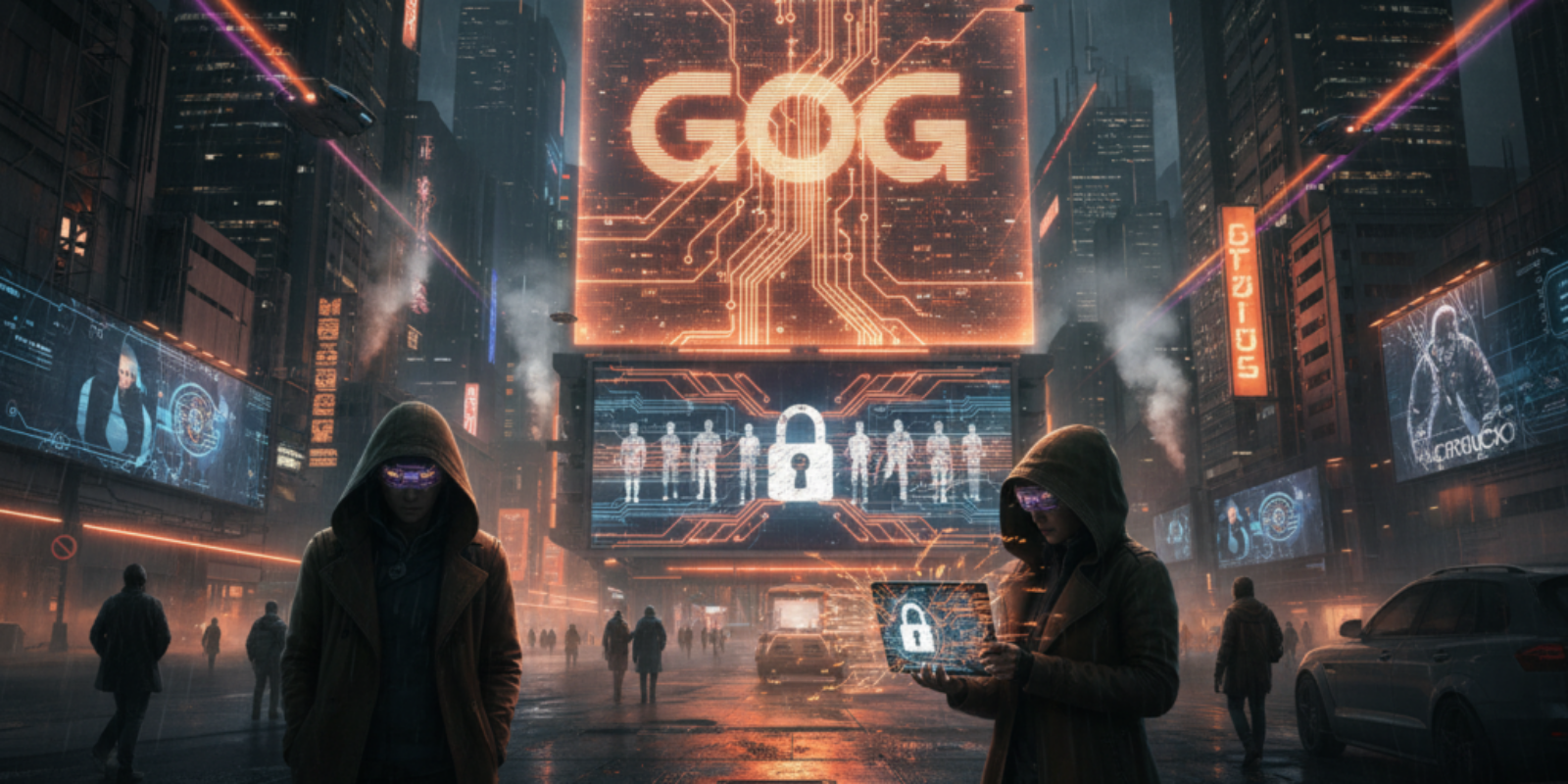
When a DRM free storefront chose a generative image for its New Year sale, the picture that leaked out said more than the pixels.
A user spots a banner with a melting retro console and posts a thread. The mainstream read is simple: a sloppy AI image slipped through quality control and a few fans called it out; the underreported consequence is that this moment marks a crossroads for how platforms that sell creativity will pay for it going forward.
A banner, a melting console, and an artist who would not stay silent
The most visible spark came when community members noticed odd artifacts in GOG’s New Year sale header, including a console that looks like it is dissolving into the image. A forum user identifying as a GOG graphic designer said the banner was generated entirely with AI, adding that the in-house team had shrunk and job requirements had moved toward tool fluency rather than purely artistic craft. (gamingonlinux.com)
Why many fans saw this as a values mismatch
GOG built a reputation on preservation and respect for creators, a brand promise that resonates with people who distrust the intrusive models some large platforms deploy. Using a generative image for a banner felt to many like a shorthand for corporate corner cutting, especially when the visual quality looked like a machine learning model on a bad day: plausible, impatient, and a little uncanny.
A PR posture that tried to sit between two camps
Leadership answered with a cautious line saying the company will not make absolute proclamations either for or against AI and that tools will be used where they “help push the mission forward.” That neutral position inflamed users who wanted a clearer ethical stance and disappointed employees who had voiced public concerns. (pcgamer.com)
What this says about adoption inside product teams
Job listings and role descriptions across the industry increasingly list active use of AI-assisted tools as a desired skill, turning promptcraft into a workplace competency. GOG’s recent postings explicitly mention daily use and promotion of AI-assisted tooling, which clarifies why a marketing image might arrive already run through generative software; it also signals hiring priorities have shifted. (pcgamesn.com)
The economic squeeze nobody is shouting about
Small to mid sized platforms face real pressure on margins, and saving on a banner or an illustration is tempting math. If a single freelance artist charges 500 to 2,000 for a campaign asset, swapping to a generative workflow could reduce that line item to a couple of licensing credits and an in-house prompt session. That arithmetic is banal and persuasive, which is precisely why it deserves scrutiny.
The ripple effect across the creative economy
When a store known for championing creators normalizes AI imagery, it changes demand signals for artists in adjacent markets. Commissions that were once justified by brand alignment may now be assessed first on whether a prompt can replicate the vibe at a fraction of the cost. Marketing teams will happily tell you they saved money; artists will quietly wonder where the next set of bills will come from. Because nothing says nostalgia like a melting 16 bit console, apparently.
How competitors are handling this differently
Some studios and storefronts have taken a hard line and banned generative assets in published games and store pages, while others have embraced hybrid workflows where AI drafts and humans refine. These forks matter because they map to different talent strategies: hiring more AI-savvy generalists or protecting specialized illustrator roles with clearer policy fences.
Core details and dates that matter to the debate
The banner controversy surfaced in late January 2026 and was called out on Reddit before being amplified by gaming press. The forum post from the GOG artist that confirmed AI use was dated January 26, 2026, and the public response from company leadership followed in the days after. These concrete moments framed the discourse and gave stakeholders something to point to when discussing policy. (kotaku.com)
The cost nobody is calculating
Replacing a vendor relationship with AI tooling might save 800 to 1,500 per campaign in direct fees, but it can also erode brand trust among a committed cohort of customers. If even 1 percent of a faithful user base defects because of perceived hypocrisy, the lifetime value loss could dwarf short term savings. Run the numbers before celebrating the creative budget victory; the math is not purely creative accounting.
When a store built on preservation buys generative art, the signal feels larger than the cost savings.
Practical scenarios for businesses making this choice
A mid sized digital retailer that runs 12 seasonal banners a year could spend 10,000 to 20,000 on commissioned art or pivot to an AI assisted pipeline at a 70 percent reduction in direct spend. Running both in parallel for two to three cycles lets marketing compare conversion lift and brand sentiment before making a permanent policy shift. If the brand promises a curated human touch, running the cheap option without disclosure is a reputational risk; disclosure can blunt backlash but may cut the short term savings.
Risks and thorny unanswered questions
Generative images can replicate copyrighted styles and strip visibility from working illustrators, creating legal and moral hazards. Models trained on scraped art raise questions about consent and attribution that regulators are starting to approach in concrete ways. The degree to which consumers punish perceived breaches of values is still uncertain, but the GOG episode is a real world data point showing that some communities will respond strongly.
What leaders should do if they care about both efficiency and craft
Adopt clear disclosure policies that say when external AI was used and create hybrid workflows where generative drafts are human curated and credited. Budget for education so staff can use tools responsibly and set aside a modest portion of creative spend specifically to keep human illustrators in the loop. Tone down marketing speak that treats artists as optional; brands built on authenticity will need to show it in practice.
A forward looking close
The GOG banner episode is a practical test case for the broader industry; choosing when to use AI for creative work is now a strategic decision that affects hiring, public trust, and long term economics. Companies that treat the question like a line item will pay for it in brand capital; those that make deliberate policies and transparent tradeoffs will be better positioned for the next wave of tooling.
Key Takeaways
- GOG’s use of a generative banner exposed tensions between cost cutting and brand values in creative work.
- Internal confirmation from a GOG artist and the company’s neutral response crystallized community backlash and employee unease. (gamingonlinux.com)
- Hiring and role descriptions that prioritize AI tool fluency change what creative work looks like inside teams.
- Practical testing with disclosure reduces risk and gives firms a way to measure conversion versus reputational cost.
Frequently Asked Questions
Will using AI art really save my company money long term?
Yes, upfront production costs can drop substantially, but long term savings depend on whether customers and partners accept the substitution. Reputational damage or loss of specialized talent can offset nominal savings quickly.
How should a small games storefront create policy on AI use?
Start with transparency: disclose AI usage on promotional assets and reserve certain work for commissioned artists to maintain brand identity. Pilot hybrid workflows for a season and measure both conversion and sentiment.
Can an AI image actually break copyright law for my company?
It can if the underlying model reproduces copyrighted works or identifiable artist styles without permission; legal risk varies by jurisdiction and by how the model was trained. Consult IP counsel before relying on generative assets for revenue facing materials.
Should companies require AI fluency in creative job listings?
Requiring tool familiarity is pragmatic, but job descriptions should balance that with commitments to craft and ethics so the role does not become prompt engineering alone. Clear expectations prevent role drift and morale loss.
What’s the single best defensive move for a brand under customer scrutiny?
Be candid: explain why AI was used, show a human in the loop, and outline steps to protect creative contributors. That buys credibility faster than a vague corporate line.
Related Coverage
Readers interested in this topic may want to explore how publishers set hard bans on generative content for released games and how that affects platform lists. Another useful angle looks at the economics of hybrid studios that mix outsourced artists with in-house AI specialists. Finally, trends in regulation and model training transparency will shape whether these debates stay cultural or become legal.
SOURCES: https://www.gamingonlinux.com/2026/01/gog-now-using-ai-generated-images-on-their-store/ https://kotaku.com/gog-caught-using-ai-generated-artwork-2000663836 https://www.pcgamesn.com/gog/ai-artwork-new-year-sale https://www.pcgamer.com/software/ai/were-not-planning-on-making-absolute-statements-in-either-direction-gog-boss-says-about-generative-ai-leading-supporters-to-make-some-absolute-statements-in-one-very-specific-direction-absolutely-terrible-response/ https://www.notebookcheck.net/GOG-uses-generative-AI-image-to-promote-DRM-free-games-drawing-criticism-from-own-artist.1214465.0.html