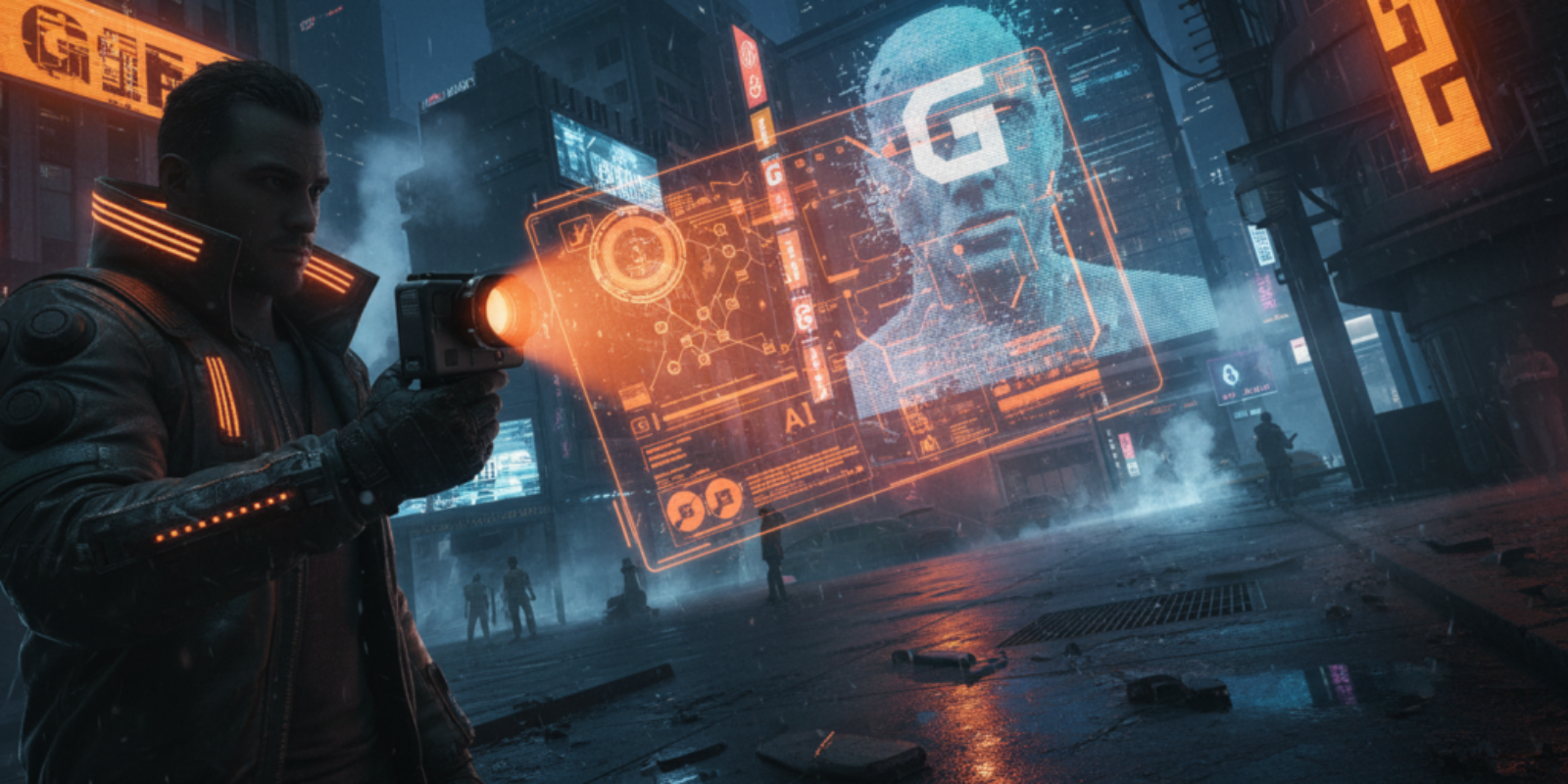
AI models are crying out for new video footage and GoPro has thousands of hours’ worth — can it save the company?
Why an action camera maker might be the unlikely gatekeeper of the next generation of video intelligence
A snowboarder hurtles down a slope, helmet cam wobbling, sunlight flashing off the snow in staccato beats. A reef diver drifts past a sea turtle, bubbles and blue light framing the animal in first person. In both clips the camera is not just recording a moment, it is stitching together the raw motion, perspective and context that video-first AI models crave. Those clips are the sort of footage GoPro stores by the millions, and now the company is trying to turn that archive into cash. (investor.gopro.com)
The obvious reading is simple: GoPro needs new revenue and AI needs training data, so licensing user video is a tidy match. That interpretation is true, but it misses the structural importance. What matters for the broader AI industry is not that GoPro can make money from footage, but that it offers a permissioned, high fidelity data source for first person video that could reshape how video models are trained, evaluated and commercialized across robotics, sports analytics and immersive media. (prnewswire.com)
Why first person video is suddenly invaluable to model builders
Most modern video models were trained on web scraped clips, stock footage and curated datasets that are flat and birdseye. First person footage captures human motion, occlusion patterns, camera jitter and environment interaction in concentrated form, which are precisely the failure modes current models struggle with. The practical upshot is that adding GoPro style footage can make models better at tasks from wearable AR to autonomous drone navigation, with only marginally more complexity than standard video. (seattletimes.com)
Who else is playing in this space
Stock libraries like Shutterstock and Getty pivoted to licensing for AI models in recent years, building permissioned relationships with model builders. Tech companies in search and generative media have signed deals for licensed content to avoid legal blowback from scraping. GoPro enters a competitive market but with a niche asset a stock library does not have: vast volumes of egocentric, high frame rate, narrow field of view footage recorded in action contexts. That difference matters when model accuracy depends on viewpoint rather than scenic variety. (techcrunch.com)
The core numbers that make investors sit up
GoPro says subscribers have opted in to contribute hundreds of thousands of hours of footage and that the company manages petabytes of cloud-stored video. Those are headline metrics but the real lever is the usable hours and metadata quality. Footage shot in 4K at high frame rates and tied to timestamps, GPS and device model is more valuable per hour than random web clips. If GoPro can convert even a modest fraction of a 13 million hour archive into licensed training sets, that scales into recurring revenue faster than incremental camera sales. (investor.gopro.com)
What this would mean for AI development pipelines
Training a video model on first person footage improves representations for temporal consistency and ego motion. For teams building embodied AI, the math is simple: assume a model needs 100,000 hours of curated first person footage to reach production accuracy. If GoPro can deliver 300,000 hours of opt-in content with metadata, a single licensing agreement could supply multiple experiments and iterations without costly custom collection. That reduces data acquisition spend and shifts resources toward annotation and model compute. Data buys time and money saved then buys more GPU hours, which is one way venture math works when investors are being optimistic. Dry aside: investors will always believe in more GPUs because GPUs do not ask uncomfortable questions about past product strategy. (prnewswire.com)
If AI models are hungry for video, GoPro is not just a buffet, it is the kitchen staff that knows how the food was cooked.
How GoPro’s opt-in model changes the legal calculus
Legal fights over scraped training data exposed a governance gap that permissioned licensing solves. Major content companies spent the last two years litigating and licensing to protect their catalogs, and those precedents make a licensed path attractive for model builders who do not want courtroom distractions. GoPro’s opt-in approach and revenue sharing with contributors places it squarely in the permission economy, which lowers legal risk for buyers while creating new rights management headaches for the seller. That tradeoff is marketable and pragmatic. (apnews.com)
The cost nobody is calculating
There is a hidden cost in making a video archive usable: labeling, quality filtering, deidentification and storage delivery. High frame rate footage is expensive to annotate and often needs frame level labels for pose or object tracking. If GoPro charges model buyers a premium for preprocessed, labeled slices rather than raw footage, margin jumps but so do upfront processing costs. The deciding factor for buyers will be the latency of delivery and the proportion of footage that is production ready. In short, raw hours are cheap soundbites; clean hours are where value accrues. (seattletimes.com)
Risks and open questions that could sink the idea
Privacy and consent scale differently with video than with images because moving frames can reveal faces, license plates and locations. Regulators and rights holders might demand stronger guarantees or even opt-in revocations that complicate long term licensing. Market concentration risk is real too if a few buyers try to control access to the most useful slices of footage. Finally, there is the competitive response: aggregated creative libraries are moving into this space, so GoPro must keep the uniqueness of its data credible and defensible. (techcrunch.com)
How businesses should think about licensing GoPro footage today
A robotics team that needs 10,000 hours of first person urban navigation footage could compare three options: commission bespoke collection at $50 to $200 per hour, license cleaned GoPro slices at a negotiated fee per hour, or augment web footage with synthetic simulation. If GoPro offers labeled clips at a competitive rate, the total project cost could drop by 30 to 60 percent versus bespoke collection, while retaining real-world noise characteristics that simulators cannot replicate. That math makes GoPro attractive for fast iteration cycles in productization. If a vendor promises “up to” a certain payout per hour to contributors, expect the actual economics to be more complex. One hopes contractor accounting is good at GoPro; accounting optimism is an acquired taste. (investor.gopro.com)
What to watch next
Monitor contract terms for third party licensing, the ratio of opt-in users to total subscribers and the number of enterprise buyers publicly named. If GoPro moves from raw licensing to packaged annotated datasets, it signals a shift from commodity hours to value added data products. Watch for partnerships with cloud providers or model houses that could anchor recurring revenue and provide distribution scale.
Final thought
GoPro’s footage is not a magic bullet for corporate recovery, but it is an asset that plugs into a genuine market need in AI development. The company’s ability to monetize it will depend less on marketing and more on data hygiene, legal clarity and the practical economics of high quality annotated video.
Key Takeaways
- GoPro’s opt-in program converts first person high fidelity footage into a permissioned data product that AI teams need.
- Licensed, labeled GoPro hours could be 30 to 60 percent cheaper than bespoke data collection for many embodied AI tasks.
- Legal clarity and contributor consent are essential to turn raw hours into recurring business revenue.
- The strategic win is not volume alone but the pipeline for converting footage into production ready datasets.
Frequently Asked Questions
How much footage has GoPro actually made available for AI training and where does that number come from?
GoPro reported subscriber contributions totaling hundreds of thousands of hours to its opt-in AI training program and cites millions of hours stored in its cloud. Those numbers come from the company’s public announcements to investors and press. (investor.gopro.com)
Is GoPro the only source of first person video for AI model training?
No. Independent creators, other action camera vendors and publicly released research datasets provide first person video, but GoPro’s scale and integrated cloud make it a unique consolidated supplier for enterprise buyers. (seattletimes.com)
Will licensing GoPro footage expose models to copyright or privacy lawsuits?
A permissioned, opt-in licensing model lowers copyright risk compared to scraping, but privacy issues still require robust redaction and contractual guarantees to shield buyers and sellers. Recent industry litigation has pushed many buyers to prefer licensed content. (apnews.com)
How should a startup decide between buying GoPro footage and collecting its own data?
Compare cost per usable labeled hour, speed to delivery and the fidelity of real world noise. For many startups the faster path to iteration is licensed datasets if pricing and labels fit the product needs. If highly specific conditions are required, bespoke collection may still be necessary. (seattletimes.com)
Could this turn GoPro into a recurring revenue business rather than a hardware company?
Potentially, but only if GoPro builds the pipeline to convert raw cloud hours into curated, annotated datasets that enterprises want on subscription. Volume helps, but data productization is where the recurring economics live. (investor.gopro.com)
Related Coverage
Readers interested in how licensed media is reshaping model training should explore coverage of stock agencies licensing imagery to large AI firms, the fallout from major copyright lawsuits in generative AI and technical comparisons of egocentric versus third person video datasets. Those beats explain why permission and provenance have become strategic levers for both tech buyers and content owners.
SOURCES: https://investor.gopro.com/press-releases/press-release-details/2025/GoPro-Subscribers-Contribute-Over-300000-Hours-of-Video-Content-for-AI-Data-Licensing/default.aspx, https://www.prnewswire.com/news-releases/gopro-subscribers-contribute-over-300000-hours-of-video-content-for-ai-data-licensing-302639001.html, https://www.seattletimes.com/business/youtubers-profit-as-ai-companies-search-for-unused-video-footage/, https://apnews.com/article/580ba200a3296c87207983f04cda4680, https://techcrunch.com/2025/10/31/perplexity-strikes-multi-year-licensing-deal-with-getty-images/