How to Get a Job in Fashion in the Age of AI
Practical moves for AI professionals who want in on an industry that thinks in fabric, seasons, and now algorithms.
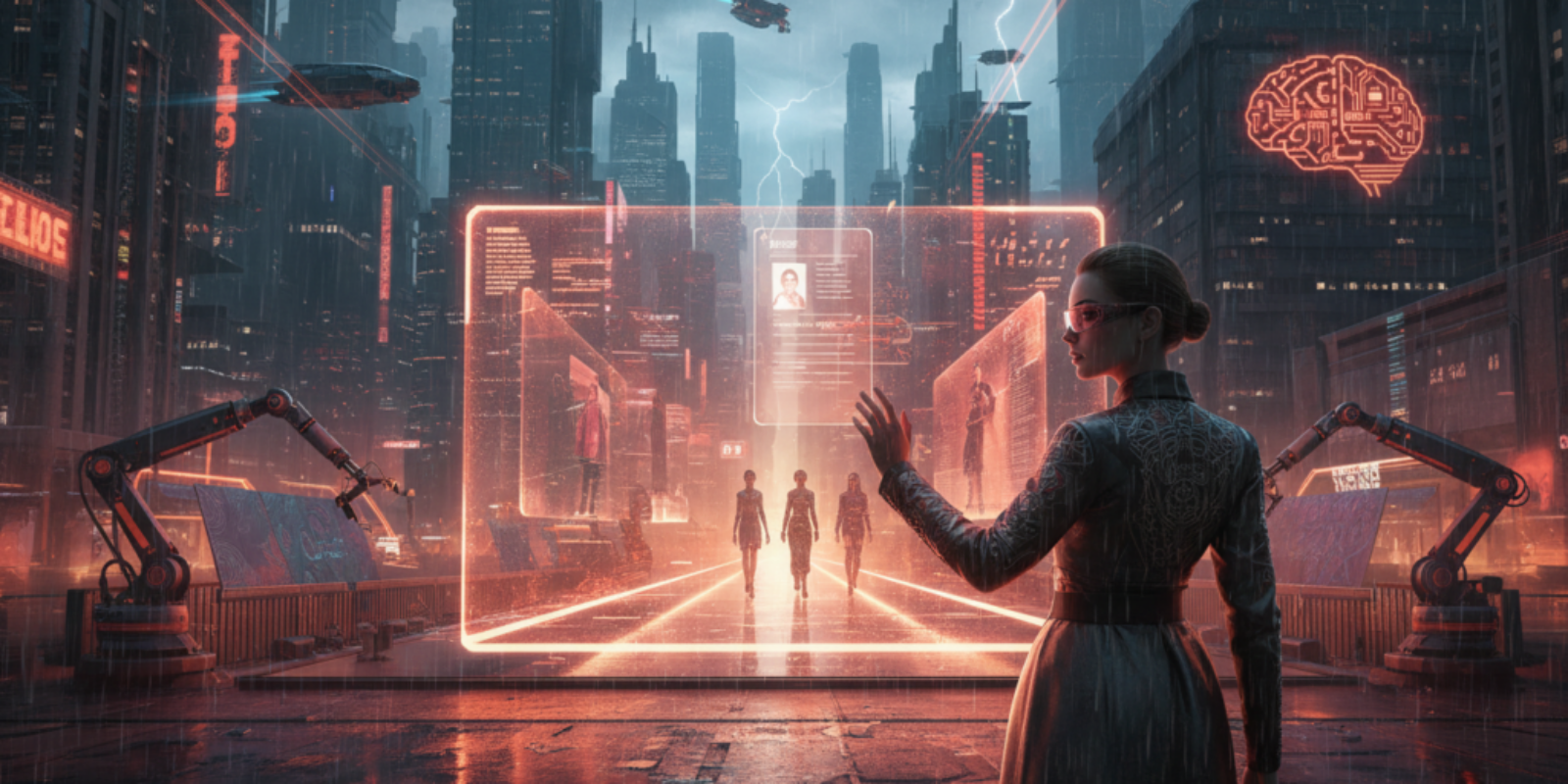
The hiring manager at a midmarket label watches models on a tablet while a junior engineer tweaks a model that suggests what to reorder next month. The scene is equal parts showroom and control room, and the tension is the same one any industry feels when craft meets code: who stays, who adapts, and who walks into work that looks nothing like the brochure. The mainstream read is simple and loud: AI will replace creatives and entry level retail roles, producing layoffs and PR crises.
The less obvious story is that fashion is becoming a new buyer for AI talent rather than only a casualty. Brands need translators who can turn style briefs into data pipelines, prompt engineers who can make multimodal models respect fabric gravity, and product managers who can marry A B tests with runway calendars. This nuance matters for AI professionals because it reframes fashion not as an enemy of technical skill but as a high-margin client for it, with its own practices, calendars, and constraints that influence how AI tools are built and deployed. According to McKinsey, executives are already reshaping workforces so that some jobs become AI centric and new roles emerge as brands prioritize personalization, forecasting, and creative generation. (mckinsey.com)
The commercial moment brands rarely shout about
AI in fashion stopped being experimental in procurement and became strategic in marketing and product discovery in 2024 and 2025. That shift changes hiring pressure: teams that once hired only merchandisers and textile experts now compete for data scientists, model trainers, and UX engineers who understand retail behaviors. The Business of Fashion and McKinsey reported that half of fashion executives see product discovery as the key use case for generative AI in 2025, and some retailers credit AI features with measurable profitability gains. (businessoffashion.com)
What employers are actually asking for on job descriptions
Companies want hybrids. Job postings that once demanded patternmaking or Photoshop now add “experience with generative models,” “knowledge of 3D garment pipelines,” or “familiarity with recommendation systems.” Recruiters are looking for demonstrable projects that show an understanding of assortments and SKUs, not just abstract benchmarks. Vogue Business surveyed industry professionals and students and found anxiety about AI but also clear signals that career paths are being rewritten around practical AI fluency and clienteling. (vogue.com)
The standout company playbook worth reading
Some firms are already publishing how they combine stylists and models. Stitch Fix, for example, describes pairing human stylists with generative tools that create millions of outfit combinations daily so that humans can focus on fit and relationship building. That hybrid model provides a hiring template: roles that supervise and validate AI outputs are growing faster than those that compete directly with them. (newsroom.stitchfix.com)
Fashion employers are not just automating tasks; they are hiring people who can make automation useful.
Concrete skills that get interviews and paychecks
Technical fluency matters but so does translation. Candidates who learn prompt engineering for multimodal generation, data labeling practices for body diversity, and 3D garment simulation tools will rise above generic ML resumes. Learning a 3D pipeline or how to connect product information management systems to an LLM can turn a portfolio into an internal tool that saves creative teams weeks per season. Also bring domain vocabulary: fit, drape, colorway, and seasonality are not trivia, they are the keys to influencing product decisions.
A word about humility in job talks: fashion companies value speed and taste. Demonstrate the ability to ship an MVP in a week and to incorporate feedback from a merchandiser who will not suffer false positives gladly. This will please CFOs and disturb anyone who treats runway lore like gospel.
A concrete entry plan with math
Map a six month pathway. Month 1 to month 2 focus on industry learning: catalog data structures and SKU lifecycles. Month 3 to month 4 build a portfolio project that solves a brand problem such as automating product descriptions or generating on-body renderings for 200 SKUs. Month 5 to month 6 run an A B test showing conversion lift or time saved. For example, if a small label spends $30 to photograph and edit each SKU, a 500 SKU drop costs $15,000; producing virtual try on assets at an internal marginal cost of $5 per SKU could save $12,500 on that drop while increasing conversion if personalization works. Use these numbers in interviews; hiring managers respond to simple, verifiable math.
How this hiring pattern reshapes the wider AI industry
Fashion is a testbed for multimodal and agentic commerce because it combines imagery, text, and rapidly changing assortments. The constraints of fit, return rates, and seasonal timing force precision from models, which in turn pushes the AI industry to build better, more explainable systems. If fashion demands fidelity in visual generation and traceability in recommendations, those product requirements influence foundational model design and data governance practices across consumer AI. Recruiters in tech should expect fashion clients to sharpen requirements for size inclusive datasets and operational monitoring.
The regulatory and ethical cost nobody is pricing loudly
There are real downsides. The use of digital model twins and synthetic photography has led to disputes about consent and compensation, raising regulatory scrutiny in labor markets. Coverage of H M and AI-generated model twins stirred debates about disclosure and rights, and unions and advocacy groups are already pushing for clearer rules about when and how AI can replace human labor. Those legal and reputational constraints will shape hiring too because companies will add compliance roles and legal-savvy program managers to AI teams. (theguardian.com)
Risks still worth underlining
Models trained on biased catalogs produce biased recommendations, hurting underrepresented customers and increasing returns. Overreliance on automation can hollow out craft knowledge that brands need for differentiation. Also, vendor lock in with turnkey AI shopping assistants creates operational risk if APIs change and a collection launch is on the line. These are neither theoretical nor easy to outsource to a PR firm.
What to do next if this sounds like the job you want
Start with domain projects that solve fiscal problems, publish short case studies, and target companies with hybrid models rather than pure automation stories. Join industry cohorts, learn to interpret assortment tables, and build a single demonstrator that reduces a measurable cost for a small label. Then network with product people who run e commerce or clienteling initiatives because those are the hiring managers who will champion you internally.
The near future favors people who can teach models what a sleeve looks like and why a customer prefers a subtle shoulder pad in spring but not in fall. Some clarity and a decent prototype will beat a vague AI manifesto every time.
Key Takeaways
- Fashion employers are buying AI skills that solve seasonal, visual, and inventory problems, not abstract research papers.
- Hybrid roles that mix creative domain knowledge with model ops and prompt engineering win interviews.
- Build a portfolio project that demonstrably saves money or increases conversion and present simple before and after math.
- Regulatory risk around synthetic imagery is creating new compliance and program manager positions.
Frequently Asked Questions
How do I move from a general machine learning job into fashion with no design background?
Translate technical work into retail outcomes by building a project that touches SKUs or personalization. Learn basic product metadata, show conversion or time saved, and emphasize collaborative experience with non technical stakeholders.
Do I need to learn 3D garment software to be competitive?
Not always, but familiarity with 3D pipelines or virtual try on tools is highly attractive because it shortens product cycles. Even basic competence in integrating 3D assets into e commerce flows signals that a candidate understands the production constraints of fashion.
Will AI replace entry level retail or creative jobs immediately?
Some routine tasks will be automated, but many brands are hiring to oversee and validate AI outputs, creating new supervisory roles. The practical reality is reallocation of labor toward higher value tasks in customer experience and assortment strategy.
What should a data scientist include in a fashion-focused portfolio?
Include a project that uses catalog data to improve discovery, a visual model tuned for fit or colorway matching, and a clear metric showing improved conversion or reduced returns. Operational details about deployment and monitoring are a plus.
How do I demonstrate I understand ethical risks to a fashion employer?
Present a short risk assessment showing where bias or consent issues could arise in your project, plus basic mitigations such as diverse training data, human review gates, and logging for audits. Companies appreciate candidates who anticipate governance needs.
Related Coverage
Explore how AI is changing retail supply chains, the rise of digital fashion and wearables, and the economics of virtual garments on The AI Era News. Readers interested in hiring strategies should also look at stories on design tooling and data governance to round out practical skills for a job in fashion technology.
SOURCES: https://www.vogue.com/article/how-to-start-your-fashion-career-in-the-age-of-ai, https://www.mckinsey.com/industries/retail/our-insights/state-of-fashion, https://www.businessoffashion.com/articles/technology/the-state-of-fashion-2025-report-generative-ai-artificial-intelligence-search-discovery//, https://newsroom.stitchfix.com/blog/how-were-revolutionizing-personal-styling-with-generative-ai/, https://www.theguardian.com/fashion/2025/mar/30/fashion-models-ai-job-losses