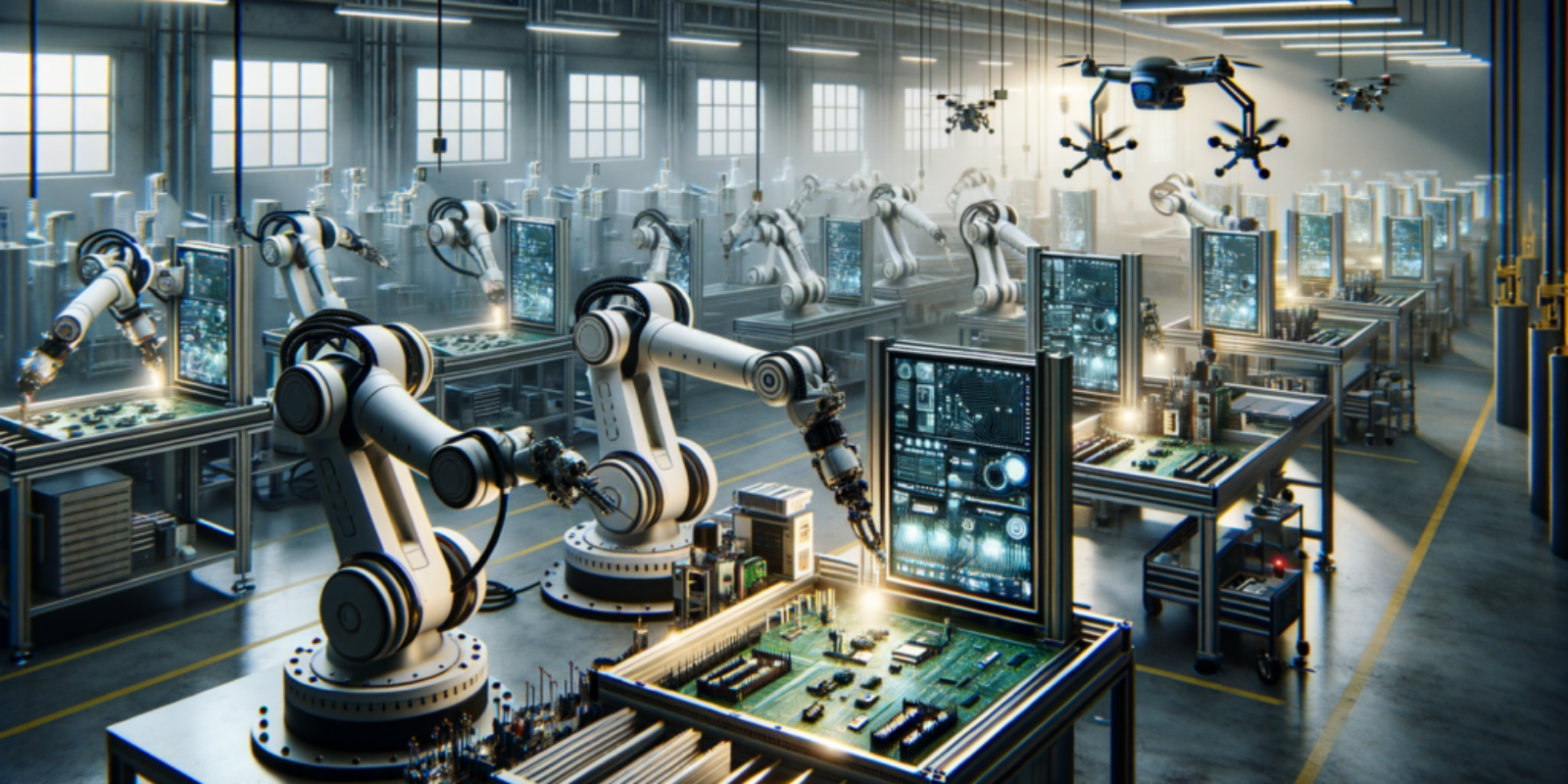
Robotics and automation are no longer confined to the realms of science fiction; they are integral to modern business operations. In 2023, the global robotics market is projected to reach $100 billion, reflecting a significant shift in how companies approach efficiency and productivity. This surge is driven by advancements in artificial intelligence, machine learning, and sensor technology, which have made robots more capable and versatile than ever before. For small and medium-sized businesses (SMBs), understanding these technologies is crucial for staying competitive in an increasingly automated world.
The implications of robotics and automation extend beyond mere cost savings. They promise to reshape labor markets, redefine job roles, and alter consumer expectations. As businesses adopt these technologies, they must also consider the broader impact on their workforce and the ethical considerations that arise. The next sections will explore the evolution of these technologies, their applications across various industries, and the advantages and disadvantages they present.
In the ever-evolving field of robotics and automation, staying updated on the latest skills and trends is crucial for professionals looking to excel. A related article that delves into the essential skills needed for emerging roles in technology is available at this link: Are These 5 Skills Enough to Become a Prompt Engineer?. This article provides valuable insights into the competencies required for success in roles that intersect with robotics and automation, highlighting the importance of adaptability and continuous learning in this dynamic industry.
The Evolution of Robotics and Automation Technology
The journey of robotics and automation began in the mid-20th century with the introduction of industrial robots. Pioneering companies like General Motors deployed the first robotic arms in assembly lines during the 1960s, revolutionizing manufacturing processes. Over the decades, advancements in computing power and software have led to more sophisticated robots capable of performing complex tasks. By the 1990s, robots were not only assembling cars but also handling logistics, packaging, and even customer service.
Today, robotics technology has evolved to include collaborative robots, or cobots, which work alongside human employees. Companies like Universal Robots have developed systems that are easy to program and can be integrated into existing workflows without extensive reconfiguration. This evolution has made automation accessible to smaller businesses that may not have the resources for large-scale robotic implementations. As a result, the landscape of automation is shifting from large factories to diverse environments, including warehouses, retail spaces, and even healthcare facilities.
Applications of Robotics and Automation in Different Industries

Robotics and automation have found applications across a wide range of industries, each benefiting from increased efficiency and reduced operational costs. In manufacturing, robots are used for tasks such as welding, painting, and assembly. For instance, Tesla employs advanced robotics in its production lines to enhance precision and speed while minimizing human error. This not only accelerates production but also improves product quality.
In logistics, companies like Amazon utilize automated systems for inventory management and order fulfillment. Their use of autonomous mobile robots allows for faster sorting and packing processes, significantly reducing delivery times. The healthcare sector is also embracing automation; robotic surgical systems like the da Vinci Surgical System enable surgeons to perform minimally invasive procedures with enhanced precision. These applications illustrate how robotics can streamline operations and improve service delivery across various sectors.
Advantages and Disadvantages of Robotics and Automation

The advantages of robotics and automation are compelling. They can lead to significant cost savings by reducing labor expenses and minimizing errors associated with human workers. For example, a study by McKinsey & Company found that automation could increase productivity by up to 30% in certain industries. Additionally, robots can operate around the clock without fatigue, allowing businesses to maximize output.
However, there are notable disadvantages to consider. The initial investment in robotic systems can be substantial, often requiring a long-term commitment before realizing a return on investment. Furthermore, the rise of automation raises concerns about job displacement; many workers fear that their roles may become obsolete as machines take over tasks traditionally performed by humans. This tension between efficiency and employment is a critical issue that businesses must navigate carefully.
In the ever-evolving landscape of robotics and automation, the integration of artificial intelligence into various sectors is becoming increasingly prominent. A recent article discusses how AI is being utilized to enforce track limits in Formula 1 racing, highlighting the potential for immediate penalties for teams that exceed these boundaries. This innovative approach not only showcases the capabilities of AI in real-time decision-making but also reflects broader trends in automation across industries. For more insights on this topic, you can read the full article here: AI Track Limits Crackdown.
The Future of Robotics and Automation
| Date | Topic | Source |
|---|---|---|
| 2022-01-15 | Advancements in AI-powered robotics | TechCrunch |
| 2022-02-03 | Impact of automation on the workforce | Forbes |
| 2022-02-20 | Robotic process automation in healthcare | Healthcare IT News |
Looking ahead, the future of robotics and automation appears promising yet complex. As artificial intelligence continues to advance, robots will become increasingly autonomous and capable of making decisions based on real-time data. This shift could lead to more sophisticated applications in areas such as predictive maintenance and personalized customer service. Companies like Boston Dynamics are already developing robots that can navigate complex environments with agility, hinting at a future where machines can adapt to dynamic conditions.
However, this future is not without challenges. The rapid pace of technological advancement may outstrip regulatory frameworks designed to ensure safety and ethical use. Businesses will need to stay informed about emerging regulations while also considering the societal implications of their automation strategies. Balancing innovation with responsibility will be crucial for sustainable growth in this evolving landscape.
In the ever-evolving landscape of Robotics and Automation, businesses are continuously seeking innovative solutions to enhance efficiency and reduce costs. A recent article discusses how the return of Atek Grid forces SMEs to rethink their cloud costs, highlighting the intersection of technology and financial strategy. This shift is crucial for companies looking to integrate advanced robotics into their operations while managing expenses effectively. For more insights on this topic, you can read the full article here.
Ethical and Social Implications of Robotics and Automation
Sure, here is the sentence with the clickable link:
Check out professional AI prompts for businesses at businessprompter.com.
The rise of robotics and automation brings forth significant ethical and social implications that cannot be ignored. One major concern is the potential for increased inequality as automation disproportionately affects low-skilled workers. As companies adopt robotic systems to cut costs, those without advanced skills may find themselves at a disadvantage in the job market. This could exacerbate existing socioeconomic divides and lead to social unrest.
Moreover, there are ethical questions surrounding data privacy and security as robots become more integrated into daily life. For instance, autonomous vehicles collect vast amounts of data to operate safely; however, this data can also be misused if not properly protected. Businesses must prioritize ethical considerations in their automation strategies to build trust with consumers and employees alike.
Challenges and Limitations in Robotics and Automation
Despite their potential benefits, robotics and automation face several challenges that can hinder widespread adoption. One significant limitation is the complexity of integrating robotic systems into existing workflows. Many businesses struggle with the technical aspects of implementation, which can lead to disruptions in operations if not managed carefully. Additionally, training employees to work alongside robots requires time and resources that some SMBs may not have.
Another challenge is the ongoing maintenance of robotic systems. While robots can operate autonomously, they still require regular upkeep to ensure optimal performance. This maintenance can be costly and time-consuming, particularly for smaller businesses that may lack dedicated technical staff. As such, companies must weigh the long-term benefits against these operational hurdles when considering automation investments.
The Impact of Robotics and Automation on Society
The impact of robotics and automation on society is profound and multifaceted. As these technologies continue to evolve, they will reshape industries, redefine job roles, and alter consumer expectations. While the potential for increased efficiency and productivity is significant, businesses must also grapple with ethical considerations and the social implications of their choices.
For SMB owners looking to navigate this landscape effectively, understanding both the opportunities and challenges presented by robotics is essential. Embracing automation can lead to competitive advantages; however, it requires careful planning and consideration of its broader impact on society.
What This Means for Your Business:
– Assess your current operations for areas where automation could enhance efficiency or reduce costs.
– Invest in employee training programs to prepare your workforce for collaboration with robotic systems.
– Stay informed about regulatory developments related to automation to ensure compliance while fostering ethical practices in your business operations.
FAQs
What is the current state of robotics and automation technology?
Robotics and automation technology is rapidly advancing, with new developments in artificial intelligence, machine learning, and sensor technology. These advancements are leading to more efficient and versatile robots that can perform a wide range of tasks in various industries.
How are robotics and automation impacting different industries?
Robotics and automation are revolutionizing industries such as manufacturing, healthcare, agriculture, logistics, and transportation. These technologies are increasing productivity, improving safety, and reducing costs for businesses across the globe.
What are some recent updates in robotics and automation?
Recent updates in robotics and automation include the development of collaborative robots (cobots), which can work alongside humans, advancements in autonomous vehicles and drones, and the integration of AI and machine learning into robotic systems to enhance their capabilities.
What are the potential benefits of adopting robotics and automation in businesses?
Businesses that adopt robotics and automation can benefit from increased efficiency, improved quality and consistency, reduced labor costs, enhanced safety for workers, and the ability to handle complex tasks that are difficult or dangerous for humans.
What are some challenges and considerations related to robotics and automation implementation?
Challenges related to robotics and automation implementation include initial investment costs, the need for specialized training for employees, potential job displacement, and ethical considerations surrounding the use of AI and robotics in society. It’s important for businesses to carefully consider these factors when implementing these technologies.